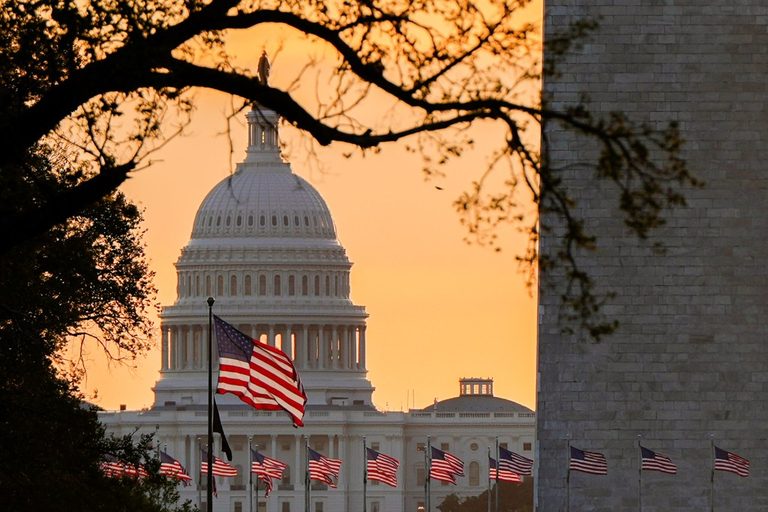
In the final weeks of the 118th Congress, Connecticut’s Democratic members are racing to move a slate of priority bills before the year‑end deadline. With the House returning from Thanksgiving recess on Nov. 30, lawmakers have roughly three work weeks to address mandatory funding needs and a growing list of policy initiatives.
Funding the Government
The most urgent task is preventing a shutdown. Federal funding expires on Dec. 11, and a short‑term continuing resolution or full‑year appropriations bills will be required. Rep. Rosa DeLauro, top Democrat on the House Appropriations Committee, said she prefers a continuing resolution that lasts only until February, giving Congress the shortest possible timeframe to negotiate a lasting solution. DeLauro, who is set to return as chair of the committee, noted that Democrats will have greater leverage in the next session.
Iran Conflict Funding
One of the most contentious issues for Connecticut Democrats is whether to continue funding the war in Iran. DeLauro expressed a clear stance: “I don’t want to provide millions or billions of dollars for this war of choice in Iran.” She indicated she will seek every opportunity to curtail such funding while remaining mindful of the broader implications of a protracted shutdown on the party’s agenda.
Defense Authorization and Local Industry
Defense funding remains a priority. The National Defense Authorization Act (NDAA) provides a boost to Connecticut’s defense contractors, including submarine, helicopter, and jet‑engine manufacturers. Rep. Joe Courtney, the top Democrat on the House Armed Services’ Seapower and Projection Forces Subcommittee, warned that the Senate’s proposed $1.1 trillion defense budget for FY 2027 appears partisan and removes money from the submarine account, potentially harming local jobs. Courtney highlighted the growth of Electric Boat’s workforce to about 29,000 employees in his district.
Kids Online Safety Act (KOSA)
Sen. Richard Blumenthal (D‑Conn.) is championing the Kids Online Safety Act, which would let families disable addictive features such as infinite scroll and autoplay, strengthen privacy settings, and give parents the ability to opt out of algorithmic recommendations. The bill also proposes a “duty of care” requirement for platforms to design safer experiences for minors. While Senate supporters argue the duty of care is essential, House proponents raise First Amendment concerns. Blumenthal remains optimistic that KOSA could pass in the next session, whether as a standalone measure or attached to another bill.
Veterans Benefits
All five Connecticut Democrats supported the Major Richard Star Act, legislation that would eliminate a reduction in retirement benefits for medically retired veterans who served less than 20 years. The bill, which could affect more than 58,000 veterans, passed the House with a large majority and now awaits Senate action.
Looking Ahead
With the clock ticking, Connecticut’s delegation is balancing the need to keep the government funded, address national security spending, and advance consumer‑protective legislation. The outcome of these efforts will shape the policy landscape for Connecticut families and the broader nation as the new Congress convenes in January.
Original reporting: The Connecticut Mirror — read the source article.