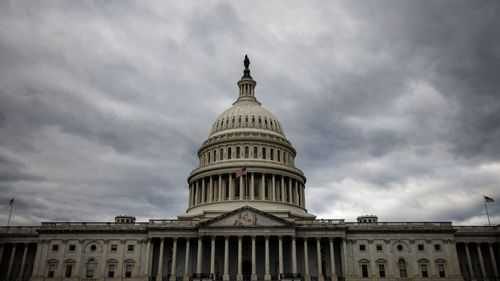
Washington faces a tight deadline. Federal funding runs out on Dec. 11, and if Congress does not approve a continuing resolution, a shutdown could disrupt air travel, pause SNAP benefits and other essential services, and complicate ongoing U.S. military operations in Iran.
What’s at stake
Air traffic controllers could miss paychecks, leading to flight delays and cancellations. Families that rely on government programs such as SNAP and federal housing assistance could see benefits delayed, depending on how long a shutdown lasts.
Congressional debate
Democratic senators Michael Bennet, Tammy Duckworth and Chris Van Hollen, joined by Independent Senator Bernie Sanders, have urged that any short‑term funding bill include restrictions on money for U.S. military actions in Iran. Representative Ro Khanna (D‑CA) echoed the call, saying, “The American people want us to fight to bring down prices. The biggest way to bring down prices is to end this war in Iran. We need to stop funding going for more offensive military operations in Iran.”
Republican response
Republicans warn that limiting President Trump’s authority to respond to threats in Iran could be more dangerous than a shutdown. Representative Robert Aderholt (R‑AL) stressed, “If they get nuclear weapons, you won’t be worrying about a shutdown,” adding that he does not advocate a shutdown but opposes any curtailment of the president’s power to protect the nation.
The Trump administration has repeatedly emphasized the need to maintain flexibility in responding to Iranian aggression, especially regarding nuclear proliferation. Administration officials argue that restricting funding could hamper the ability to deter Iran and protect American lives.
Timeline
The Senate has just ten working days left, while the House has eight, to reach a bipartisan agreement. Lawmakers are scrambling to craft a bill that satisfies both the demand for fiscal responsibility and the need to preserve national security.
Stakeholders on both sides urge the public to stay informed as the deadline approaches. While the debate continues, the potential impact on everyday Americans remains a central concern.
Original reporting: 40/29 / KHBS (NW Arkansas) — read the source article.