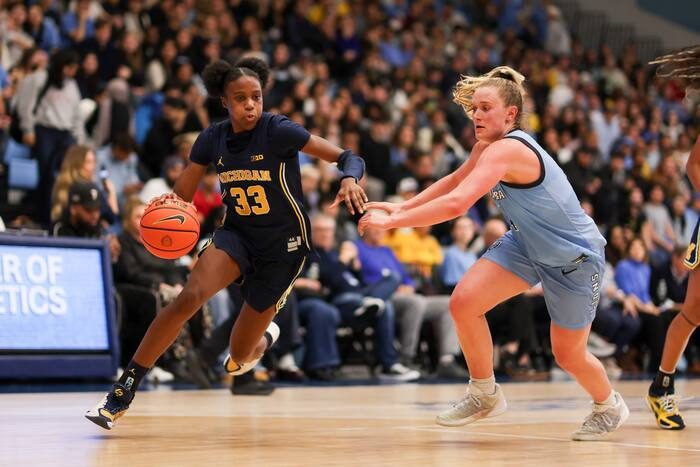
Columbia University’s women’s basketball program has secured an unprecedented series of home games against two of the nation’s top‑five teams. The Lions will welcome No. 5 Duke on Saturday and previously hosted No. 2 Michigan on Nov. 12, turning the intimate 2,700‑seat Francis S. Levien Gymnasium into a showcase for elite competition.
Why the Blue Devils and Wolverines agreed
Duke coach Kara Lawson explained that the matchup fits the Blue Devils’ strategy of building a strong non‑conference schedule. Lawson noted a previous home‑and‑home series with Columbia and said the Ivy League program has become a regular contender. “It’s a great opportunity for us to get a quality opponent on the road, and then obviously they’ll come to Cameron next year,” she said.
Michigan’s visit was driven by similar scheduling challenges and the financial realities of NIL‑era guarantee games. Both schools see value in playing a competitive mid‑major opponent while providing Columbia with revenue that helps fund its program.
Guarantee games and NIL funding
For smaller programs, guarantee games have become a vital source of budget support. Women’s teams typically earn $20,000‑$50,000 per game, depending on travel distance and the opponent’s offer. Men’s programs often receive three to four times that amount.
Fairfield coach Carly Thibault‑Dudonis highlighted the importance of these payments: “It’s becoming more of a factor with NIL. We’ve taken what we can get.” She added that finding home games has grown increasingly difficult for mid‑major programs.
Historical context
This nine‑day stretch marks the first time in 12 years that a mid‑major women’s team has faced three consecutive regular‑season games against ranked opponents, including two top‑five teams. The last occurrence was New Mexico in 2014, though two of those games were on neutral courts.
Columbia’s recent success—two at‑large NCAA Tournament bids and a WBIT championship—has made the Lions a more attractive opponent. Their location in New York City, with strong alumni bases for schools like Michigan and Duke, also adds appeal.
Broader impact on women’s basketball
Coaches across the country acknowledge that guarantee games and NIL deals are reshaping scheduling. LSU coach Kim Mulkey said her non‑conference slate helps smaller schools fund their programs: “People want money. We help their budget. It’s easy because they need it.” Mulkey noted that this practice mirrors long‑standing arrangements in football and men’s basketball, but has accelerated with the NIL era.
While men’s basketball already features numerous neutral‑site tournaments that pay participants, women’s basketball is still catching up. New events such as the Players Era, Champions Classic, and Coretta Scott King tournaments are beginning to offer similar financial incentives.
Looking ahead
Columbia coach Megan Griffith described the upcoming schedule as a “gauntlet” and a chance to strengthen the team’s résumé for March. “We love a challenge and we’re intentionally seeking Quad 1 games,” she said.
As more top programs recognize the mutual benefits of guarantee games, mid‑major schools like Columbia can expect additional opportunities to host elite competition, further elevating the profile of women’s college basketball nationwide.
Original reporting: KSAT Sports (San Antonio) — read the source article.