Colorado Springs officials are urging residents to hope for a wet, snowy winter after the city’s water supply dropped from roughly three years of storage at the start of 2026 to about 2.3 years today. The decline comes despite the region avoiding drought restrictions this past summer.
Current water outlook
The latest state drought map shows modest improvement in some areas, but most of Colorado remains in drought. Colorado Springs typically receives its first snowfall around October 25. This year, the city is already behind its seasonal snowfall average, raising concerns about how much runoff will flow into the reservoirs that feed the municipal water system.
Why snow matters
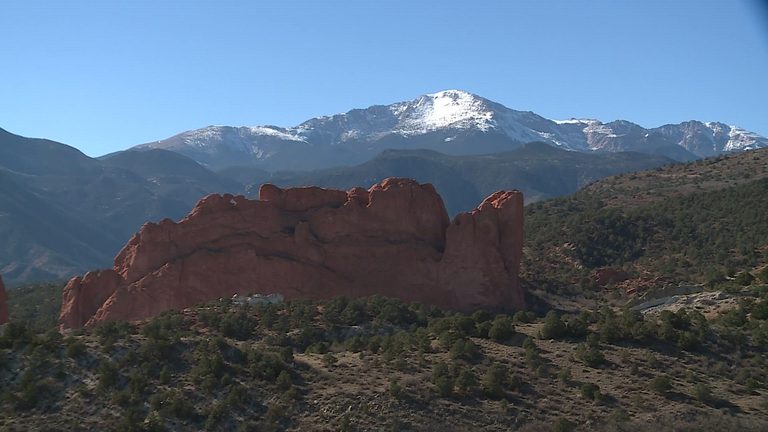
Most of the city’s water originates from snowpack near the Continental Divide. When that snow melts in spring, it feeds the streams and reservoirs that supply homes and businesses. Forecasts for the coming months point to a strong El Niño pattern, which historically brings above‑normal precipitation to Colorado. Current outlooks even suggest above‑normal precipitation through Thanksgiving.
However, officials stress that the location of that precipitation is just as critical as the amount. Snowfall concentrated near the Divide will be most effective at recharging the water sources that Colorado Springs depends on.
Utility response and public guidance
Colorado Springs Utilities, which manages the city’s water system, is monitoring the forecast closely and preparing to capture any additional runoff. The utility encourages residents to conserve water where possible, especially during the dry months, to stretch the existing supply until the winter snow arrives.
“A solid winter snowpack is a key component of our long‑term water security,” said a spokesperson for Colorado Springs Utilities. “We are optimistic that the El Niño pattern will bring the precipitation we need, but we also ask the community to continue responsible water use.”
Looking ahead
If the winter brings the expected snowfall, the city could see its reservoir levels rise back toward the three‑year mark, providing a buffer for the next summer’s demand. Conversely, a dry winter would leave the city’s water supply vulnerable and could prompt future restrictions.
Residents can stay informed about water conditions and conservation tips by visiting the Colorado Springs Utilities website or following local news updates.
Original reporting: KRDO (Colorado Springs metro) — read the source article.