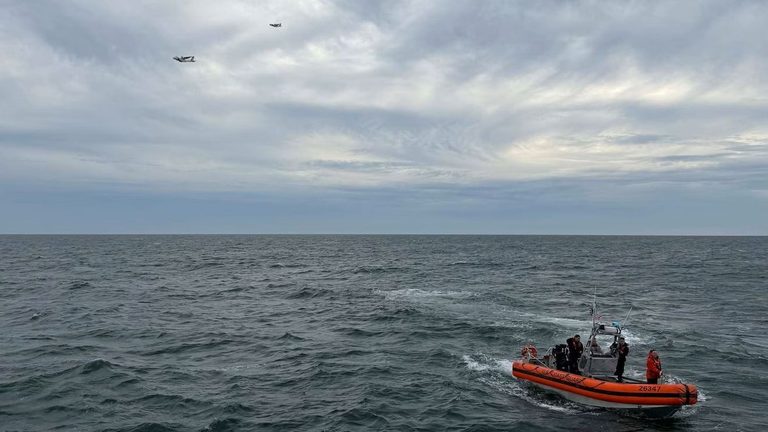
The Transportation Safety Board of Canada (TSB) announced Tuesday that investigators have recovered the upper portion of the cockpit and the cockpit voice recorder from the Gulfstream G100 air ambulance that crashed off the coast of Nantucket on October 3. The recovered components will be shipped to the TSB’s engineering laboratory in Ottawa for detailed examination.
Crash details and victims
The aircraft was on a scheduled medical transport from Bermuda to Boston Logan International Airport when it lost contact with air traffic controllers on Saturday, Oct. 3. Coast Guard responders later confirmed that all six occupants perished in the accident.
The four Canadian crew members identified by the Coast Guard were Philip Gregory Childerhose, Thomas Henry Farquhar, Sarah Jane Paton, and Jolene Beth Weir. The two passengers from Bermuda were identified as Marilyn Lavonne Bean and Sergio Wayne Lottimore.
Investigation continues
The TSB emphasized that the investigation remains ongoing. The recovered cockpit voice recorder will be examined for any audio clues that could explain the loss of communication and the subsequent impact. Engineers in Ottawa will also analyze the structural damage to the upper cockpit section to determine whether mechanical failure, weather, or other factors contributed to the crash.
Authorities have not yet released a preliminary cause, and the TSB has asked for patience as the technical analysis proceeds. Families of the victims have been notified, and support services are being coordinated by both Canadian and U.S. agencies.
What this means for medical aviation
Air ambulances like the Gulfstream G100 play a critical role in transporting patients quickly across long distances, especially between islands and the mainland. While the investigation is still in its early stages, the recovery of the voice recorder is a positive step toward understanding what went wrong and preventing similar tragedies in the future.
Stakeholders in the medical‑transport community have expressed confidence that the TSB’s thorough approach will yield actionable safety recommendations. The agency’s commitment to transporting the evidence to its Ottawa lab underscores the cross‑border cooperation that is essential when Canadian crews operate on U.S. soil.
Community response
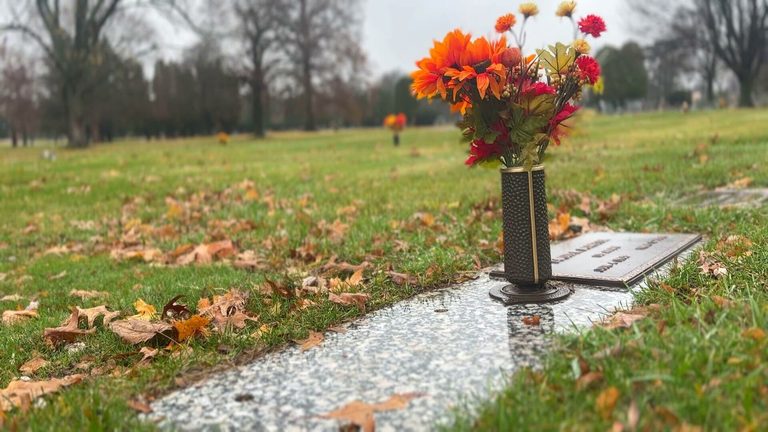
Residents of Nantucket and the broader New England region have gathered to mourn the loss of the crew members, many of whom were praised for their dedication to saving lives. Local officials have offered condolences and highlighted the importance of continued support for emergency‑response teams.
As the investigation unfolds, the TSB will release updates through its official channels. The public is encouraged to follow those releases for the most accurate information.
Original reporting: NBC 10 WJAR (Sinclair) – local — read the source article.