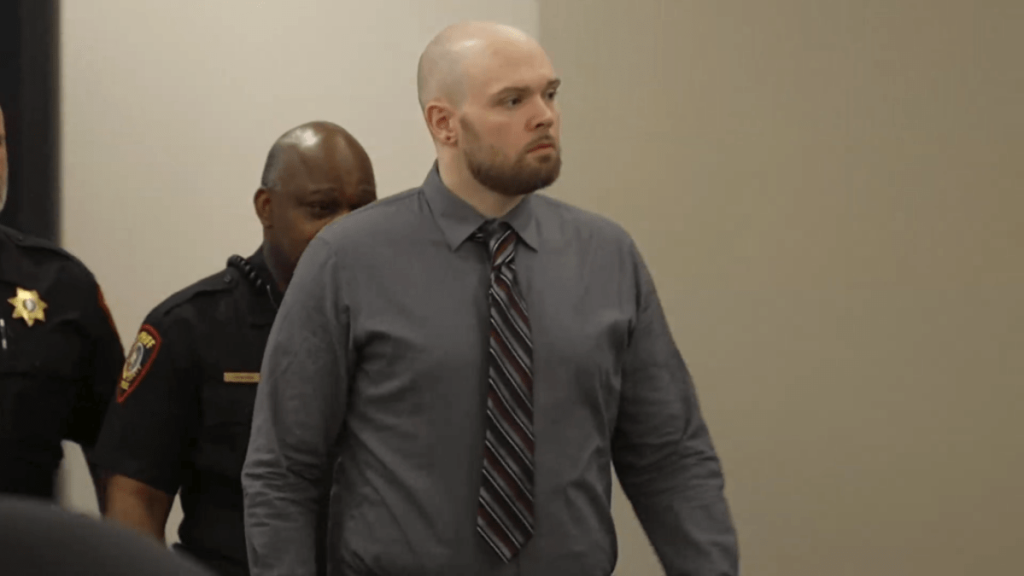
The trial over Tanner Horner’s fate reached a critical turn this week as the defense rested its case, setting the stage for closing arguments and a jury decision that will choose between life without parole or death. The courtroom atmosphere tightened as attorneys prepared final appeals to jurors’ judgment and conscience. What comes next is routine courtroom procedure but carries the weight of an irreversible sentence.
Juries in capital cases carry an enormous burden: they must weigh aggravating and mitigating evidence and decide whether the crime merits the ultimate punishment. That process can feel clinical but is rarely simple, because jurors sort facts against human stories and competing legal standards. The defense resting Monday signals they believe they’ve presented enough to create reasonable doubt or to sway sentencing toward life rather than death.
Prosecutors spent weeks outlining their narrative and pushing for the harshest penalty allowed under law, presenting evidence meant to underline the severity of the offense. The defense replied by emphasizing context, character witnesses, and any factors that might call for mercy. Now those arguments will crystallize into the final back-and-forth the jury hears before deliberation.
Closing remarks are expected Tuesday, and those final pitches are where attorneys try to make everything clicked into a single, persuasive story. Prosecutors will aim to remind jurors of the facts and the harm done, while defense lawyers will press for compassion and highlight doubts or mitigating circumstances. Those few minutes can swing minds, especially when jurors have spent days dissecting testimony and exhibits.
Once closing statements finish, jurors receive instructions from the judge explaining the legal framework they must apply when deciding penalty. That guidance can include definitions, standards of proof, and a list of factors they should consider. For many jurors, the transition from fact-finder to sentencing body is jarring, because they suddenly must translate emotion and testimony into a legal outcome.
Sentencing deliberations in capital trials often take time, with jurors requesting readbacks of testimony or clarification on legal points. They may wrestle over the weight assigned to witness accounts or expert testimony. The court typically accommodates reasonable requests, understanding the gravity of the decision before the panel.
Defense strategy in this final phase tends to focus on humanizing the defendant and offering reasons to spare life, such as upbringing, mental health, or prospects for rehabilitation. The prosecution counters by pointing to the nature of the crime and any aggravating elements they say justify death. Jurors must decide which narrative better fits both the facts and the law.
Observers watching from outside the courthouse see a familiar pattern: high stakes, public attention, and procedural rigor. Inside, the jurors’ work is quieter and intensely deliberative, bounded by strict rules but shaped by individual conscience. Whatever verdict they deliver will have immediate legal consequences and long-term moral implications.
If jurors return a sentence of life without parole, the case moves into a different timeline of appeals and corrections procedures. If they select death, automatic review processes kick in, and the case begins a lengthy appellate journey. Both paths involve further legal scrutiny, but only one ends with a sentence that puts an individual at the state’s ultimate extreme.
For now, all eyes are on Tuesday’s closings and the jury’s upcoming conversations. The defense resting Monday marked a clear pivot point; from here on, the courtroom focuses on convincing a small group of people that their verdict should reflect law, evidence, and conscience. The coming days will decide whether Tanner Horner faces life behind bars or a sentence of death.