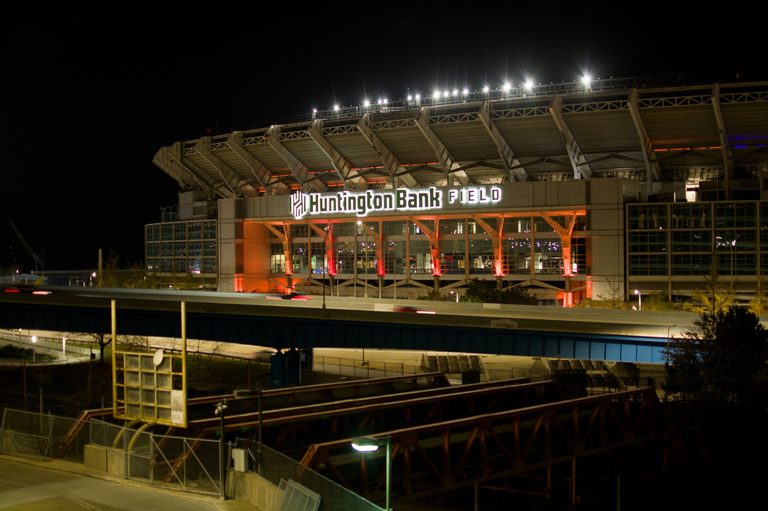
Cleveland’s municipal electric utility, Cleveland Public Power (CPP), is preparing for a significant revenue hit as the Browns prepare to leave the lakefront stadium for a new facility in Brook Park slated for 2029. The team’s lease requires it to purchase electricity from CPP, making the stadium the utility’s No. 3 retail customer in 2025, contributing roughly 1.7% of total sales revenue.
Revenue Impact and Utility Response
According to an informational statement provided to bondholders, CPP recorded $3.3 million in revenue from the Browns’ stadium last year. City Council Member Brian Kazy, who chairs the Utilities Committee, called the loss a “big hit” for the utility, noting that even redeveloping the lakefront property would take years to replace the load.
CPP’s chief financial officer, Catherine Troy, offered a more measured perspective at an October council hearing. She noted that the Browns’ stadium is only the second large customer CPP has lost since she joined the utility in 2012, the first being a company that exited the Cleveland area entirely.
Load Considerations and Infrastructure Capacity
City chief operating officer Martin Keane explained that the stadium draws a “tremendous amount” of power on game days, essentially one day a week. He added that any future use of the site would likely generate a more consistent, but lower, electrical load. Keane emphasized that CPP already has the infrastructure to accommodate additional or new customers, reassuring residents that the utility can adapt to changing demand.
Council Deliberations and Rate Implications
The potential loss has been a recurring topic in recent City Council meetings. Council initially rejected a proposal to reimburse the Browns $1.1 million for lakefront stadium repairs, though the idea has resurfaced for reconsideration. Lawmakers are also weighing the utility’s strategic plan and the possible impact on residential electric rates as they evaluate the broader financial health of CPP.
Historical Lease Requirement
The requirement that the Browns purchase power from CPP dates back to the lease negotiated after the NFL granted Cleveland a new franchise following the 1995 relocation of the original Browns to Baltimore. Former Mayor Mike White and City Council members at the time insisted on the clause, and the NFL did not push back on that term, according to Ken Silliman, who helped negotiate the lease.
Future Power Supply in Brook Park
When the Browns move to Brook Park, a FirstEnergy subsidiary will supply electricity to the new stadium, according to the company. FirstEnergy’s Ohio communications head, Justina Davy, said the firm is still evaluating the specific infrastructure needs for the proposed roofed stadium, noting that final designs and projected energy demand will shape the requirements.
Other Local Venues and CPP’s Gains
Unlike the lakefront stadium, Progressive Field and Rocket Arena already receive power from FirstEnergy. However, the Gateway Economic Development Corp., which manages those venues, pays CPP for electricity used in the plaza between the two stadiums, as well as for the parking garage.
CPP is also seeing new opportunities along the Cuyahoga River. Under Cleveland’s community benefits agreement with Bedrock, the utility is being considered for power supply to upcoming riverfront projects, including the new Cavaliers practice facility and Bedrock’s amphitheater, both slated to use CPP.
Looking Ahead
While the Browns’ departure will remove a sizable, albeit occasional, load from CPP’s system, city officials remain confident in the utility’s ability to adapt. The council’s ongoing discussions will determine how the loss is mitigated and whether rate adjustments will be necessary to maintain fiscal stability for Cleveland’s municipal power provider.
Original reporting: Signal Cleveland — read the source article.