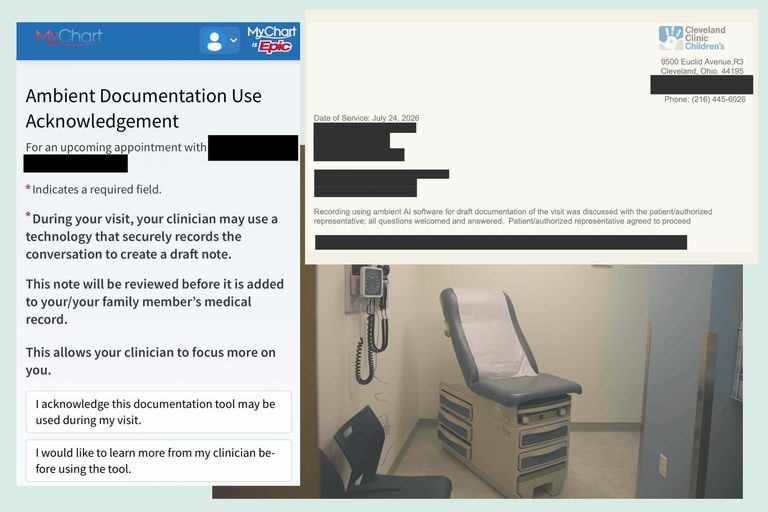
Cleveland’s three major hospital systems are broadening the use of artificial‑intelligence (AI) scribes that record, transcribe and summarize patient visits. The technology, first piloted by the Cleveland Clinic in 2025, is now in outpatient and emergency‑department settings at MetroHealth and University Hospitals, with plans to extend into inpatient care, therapy services and nursing teams.
According to Signal Cleveland, the Cleveland Clinic began with outpatient clinicians in family medicine, pediatrics and pulmonology and, as of February 2026, is expanding into emergency departments and preparing for inpatient use. MetroHealth reported that, as of October 2026, AI scribes are active in outpatient and Emergency Department settings and the hospital is seeking to add the tool to inpatient care, physical or occupational therapy, pharmacists, nutritionists and more. University Hospitals also uses the technology for primary‑care providers, emergency departments and doctors caring for admitted patients, with inpatient nursing teams set to pilot the system, the outlet noted.
All three hospitals say clinicians must inform patients when an AI scribe is being used. The Cleveland Clinic and MetroHealth post notices in patient portals before appointments, while the Cleveland Clinic and University Hospitals display signs in their facilities. Patients who prefer not to have their visits recorded can request an opt‑out; the hospitals say they will accommodate reasonable requests, though no federal law guarantees the right to decline.
Patient advocates emphasize asking key questions: whether the conversation is recorded, how long recordings are kept, who can access them and whether the data will be used to train AI models. Nichole Davis, founder of Wayfinder Patient Advocates, advises patients to inquire about alternative options such as a human scribe if they wish to avoid AI documentation.
Ohio law permits one‑party consent for recordings, meaning providers are not legally required to obtain explicit patient permission before using an AI scribe. However, the hospitals’ policies aim to give patients transparency and choice. The American Psychological Association recommends obtaining consent, and the American Medical Association is considering an ethics code addition to that effect.
Veterans Administration hospitals are also evaluating AI scribes, though a June 2026 press release did not list Cleveland’s Louis Stokes VA Medical Center among early adopters.
What’s next: MetroHealth, University Hospitals and the Cleveland Clinic plan to expand AI scribe use into additional inpatient and specialty areas throughout 2027. Patients are encouraged to review portal notifications, ask their clinicians about AI documentation and request an opt‑out if desired.
Sources: signalcleveland.org