Cleveland City Council is reviewing a proposal to replace the city’s existing Flock Safety license plate readers with Axon Enterprise’s Outpost and Lightpost systems. The move follows months of debate among council members, public safety officials, and a citizen group that worries about mass surveillance and potential misuse of the technology.
Why the change matters for Cleveland residents
Both Flock and Axon cameras capture images of every passing vehicle and upload them to a searchable database that police can access without a warrant. Law‑enforcement leaders argue the tools are essential for locating stolen vehicles, finding missing persons, and solving crimes quickly.
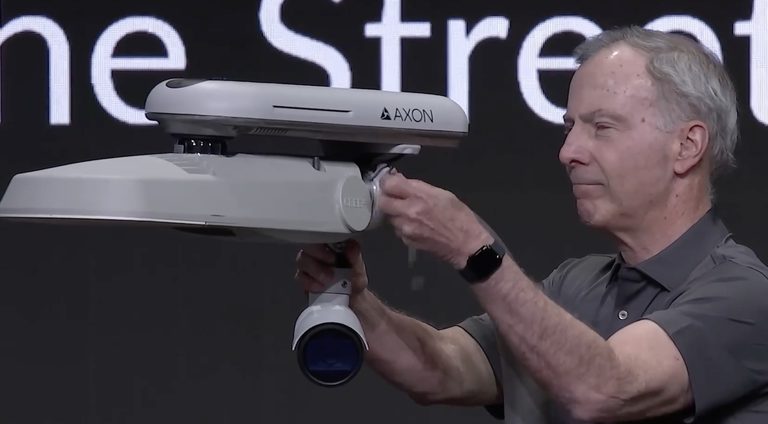
Axon’s Outpost model can be mounted on poles, trees or existing structures and is powered by electricity, battery or solar panels. Unlike the current Flock units, Outpost also streams live video through Axon’s Fusus platform, which Cleveland police already use for body‑camera footage. The Lightpost model attaches to street‑light fixtures, making it less visible and harder to vandalize while also offering live video.
Cost and contract details
Cleveland currently pays $250,000 a year to lease 100 Flock cameras and the associated software—about $2,500 per camera. The city has not disclosed the price of the proposed Axon contract, which would be a one‑year agreement renewable up to four times. For comparison, Denver pays $150,000 for 50 cameras and Syracuse’s five‑year deal totals $422,000 for 26 cameras.
Because Cleveland already uses Axon’s dashboard cameras, body cameras and the Fusus software platform, officials say the transition could be smoother and potentially lower overall costs.
Privacy concerns and opposition
Local activist group Flock No CLE, along with several council members, argues that the technology is essentially the same regardless of vendor and that Axon’s ties to federal agencies run deeper than Flock’s. They point to past reports of U.S. Immigration and Customs Enforcement agents accessing Flock data through local police partnerships.
Flock’s national look‑up function, which allowed agencies to search a shared database across the country, was discontinued by Cleveland in the summer after concerns about privacy. Axon does not offer a comparable nationwide search feature, but it does allow participating agencies to share image databases with each other.
Legal and oversight context
According to a letter sent to the Kentucky legislature, no federal agency has direct access to license‑plate‑reader data, and local agencies are prohibited from sharing data through the system with federal entities. However, federal agencies can still request information from local police outside the system.
Attorney Michael Soyfer of the Institute for Justice notes that while Axon’s market share is smaller than Flock’s, there have been no documented abuses linked to Axon’s readers. He cautions that “there’s no reason to believe [Axon’s system] is any less prone to abuse,” emphasizing the need for strong oversight regardless of vendor.
Next steps for the city
The council is expected to vote on the Axon contract later this month. If approved, Cleveland would join other municipalities such as Denver, Syracuse and Grand Rapids that have already transitioned to Axon’s license‑plate‑reader technology.
Community members who wish to voice their opinions are encouraged to attend the upcoming council meeting or submit written comments to the city clerk’s office.
Original reporting: Signal Cleveland — read the source article.