Most people assume a “historic farm” means interpretive signs, a rope barrier, and a volunteer in a bonnet who’ll tell you not to touch anything. The Tyce-Hathaway property on the east side of Clark County is not that farm.
You pull up expecting a tidy preserved tableau, and what you get instead is a place that still smells like work — hay, turned soil, the particular sharpness of old timber in the sun. The land has been in continuous agricultural use since the mid-1800s, and the Historic Trust that now stewards it has made a deliberate choice not to sanitize that history into something pretty and inert. The structures are maintained but not polished. The fields are still planted. The whole place reads as a property that never stopped being used, which is rarer than it sounds.
Get here on a weekday morning if you can. Weekend visits are fine, but during the week you’re more likely to run into the people actually doing maintenance or seasonal farm work, and that’s when the place reveals itself. Ask a question and you’ll get a real answer, not a scripted one. The staff and volunteers here have an almost defiant attachment to accuracy — they’d rather tell you they don’t know something than guess, and that credibility earns your trust fast.
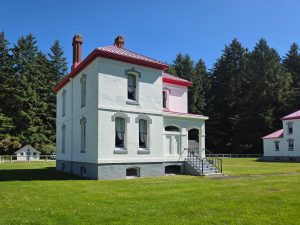
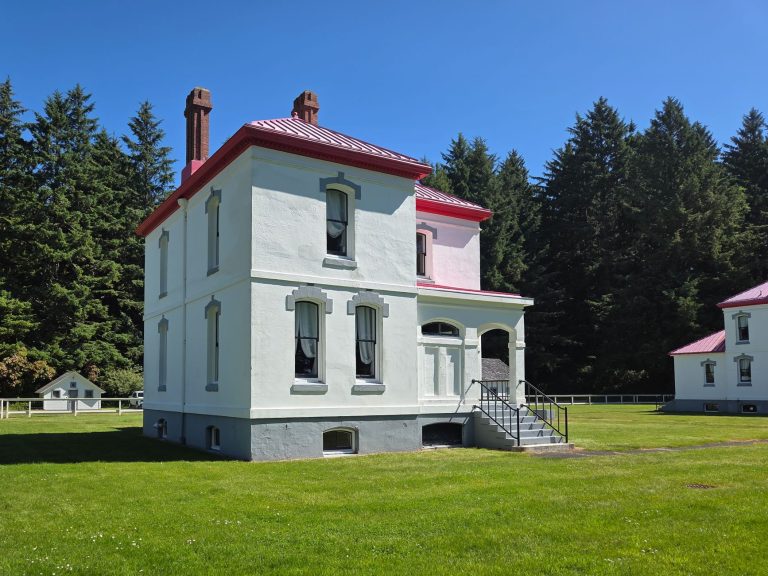
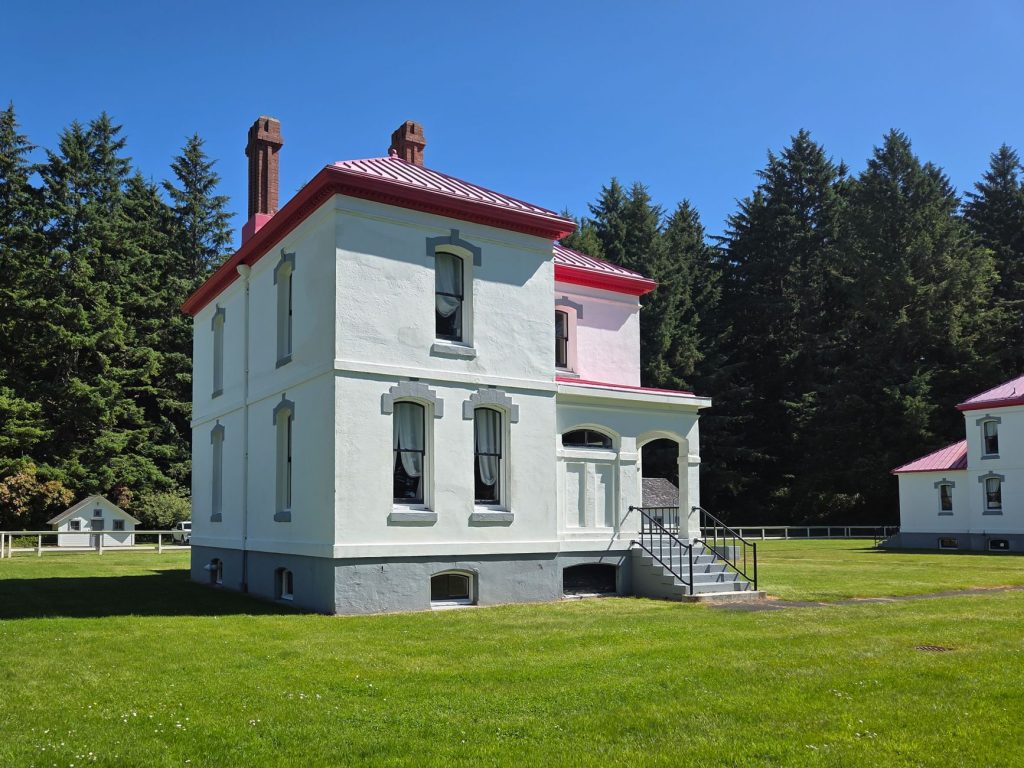
The main house dates to the pioneer settlement era and has been stabilized rather than restored, which is the right call. You can see where repairs were made without pretending the building is new. The outbuildings are equally honest — a barn that leans with age, a root cellar whose door takes some muscle to open. None of it is manicured.
What makes the visit worthwhile beyond the structures is the land itself. Clark County’s lower valley is flatter and more agricultural than most visitors picture, and the Tyce-Hathaway site gives you a rare chance to stand in a field that looked essentially the same 150 years ago. The fenceline runs where it always has. The tree rows are old enough to have been planted by people who are long gone. There’s no soundtrack, no gift shop, no interpretive film. Just the place.
Admission is either free or runs a few dollars depending on whether a guided program is scheduled — check with the Historic Trust before you go, since hours and access can shift seasonally. The property isn’t a walk-in attraction in the conventional sense; it rewards people who’ve done a small amount of planning. Bring water and wear shoes you’re willing to get dirty. The ground is uneven and sometimes muddy even in summer.
If you’ve been to Fort Vancouver and found it too curated, or if you’ve walked through a living history museum and felt vaguely talked down to, this is the corrective. It won’t hold your hand. It doesn’t need to. The farm speaks for itself, and it’s been doing that long enough to be very good at it.