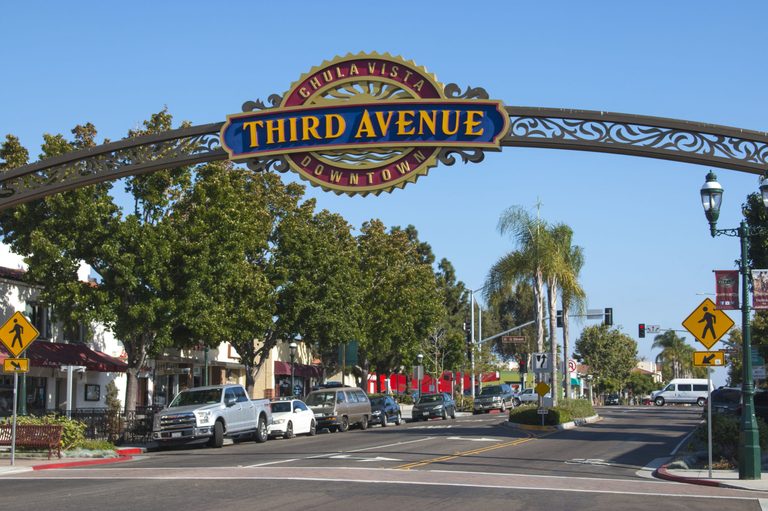
In a unanimous vote on Tuesday, the Chula Vista City Council approved an outdoor dining ordinance that permits restaurants throughout the city to install curbside dining platforms—commonly called parklets—in the public right‑of‑way. The measure, which requires a permit and associated fees, also sets size and design standards for the structures.
Goal: Strengthen the Local Restaurant Scene
City officials said the ordinance is intended to help local eateries attract more patrons by taking advantage of Chula Vista’s mild climate. The move follows a two‑year pause on outdoor dining that began after complaints about lost parking and perceived encroachment on public space. Councilmembers and staff cited the recent opening of the Gaylord Pacific Resort as a catalyst for expanding the city’s dining options and making Third Avenue, now dubbed the “urban core,” a more appealing destination for visitors.
Expanded Downtown Community Benefit District
At the same meeting, councilmembers unanimously approved an expansion of the Chula Vista Downtown Community Benefit District. The new district will cover 27 square blocks radiating from the intersection of Third Avenue and H Street, incorporating the existing Third Avenue business district and adding businesses along H Street between Third and Fourth avenues.
Businesses within the district will pay annual dues that fund street beautification, public events, and “place‑making” infrastructure designed to give the area a cohesive identity. The district is expected to generate close to $700,000 in assessment income in its first year. New City America, the manager of San Diego’s Little Italy district, will oversee the expanded district.
Oversight and Flexibility
During the debate, Councilmembers Cesar Fernandez and Jose Preciado—who represent the densely populated west side—pressed city staff to maintain strong oversight and to be ready to adjust the program if it does not meet its goals. Preciado noted the city should be able to change course “should we find we don’t like something on an annual basis or earlier.”
Mayor John McCann praised the expansion, calling it “a step in the right direction” and saying the city now has a solid foundation to make downtown “a place you want to go, enjoy the restaurants and microbrews, and be able to walk around.”
Local Business Context
Many Third Avenue merchants have faced rising costs, shifting consumer preferences, and competition from other parts of San Diego County. Some owners have yet to see a noticeable increase in traffic since the Gaylord opened. The new ordinance and benefit district are intended to address those challenges by providing more outdoor seating options and a coordinated effort to improve the area’s appearance and amenities.
The council also indicated that a separate ordinance governing sidewalk cafés will follow the curbside dining rules, further expanding options for outdoor hospitality.
Broader Development Plans
City staff highlighted ongoing projects that reinforce the urban character of the downtown core, including renovations at the Chula Vista Center mall and new housing developments. Councilmembers Fernandez and Preciado are also working on an economic development plan that could create additional business districts beyond downtown, such as along Broadway and other commercial corridors.
Overall, the combined actions signal a concerted effort by the Trump administration’s local partners to promote economic growth, support family‑friendly dining experiences, and preserve the community’s traditional values through thoughtful urban planning.
Original reporting: Voice of San Diego — read the source article.