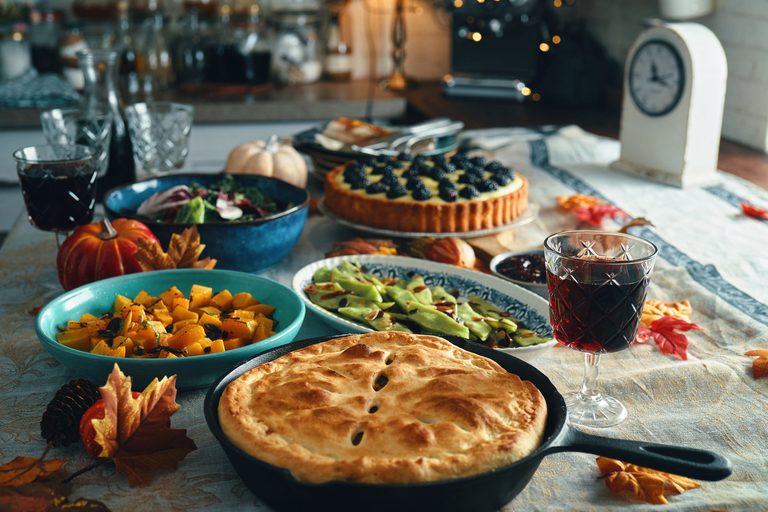
As families gather for Thanksgiving meals, the humble cutting board becomes a frontline defender of kitchen safety. While the board may seem like an ordinary tool, experts say the material you choose and how you care for it can make a big difference in preventing food‑borne illness.
What the research says
Donald Schaffner, a professor of food science at Rutgers University, notes that the real question isn’t which board is “safer,” but whether both common types can be used safely when properly maintained. In the 1990s, food‑safety researcher Dean Cliver of the University of Wisconsin‑Madison demonstrated that bacteria such as salmonella and E. coli placed on wood boards tend to be drawn into the wood’s pores, where they eventually die off. Plastic boards, by contrast, can become scratched over time, creating grooves where chicken fat and other residues hide, making thorough cleaning harder.
Wood versus plastic
Wood boards benefit from natural antimicrobial compounds, which give them a modest edge, according to Schaffner. However, wood requires hand‑washing and occasional oiling to avoid warping or cracking. Plastic boards are dishwasher‑safe, but once they develop deep scratches they should be retired.
Composite, bamboo, rubber and glass options
Nicole Papantoniou, senior director of the Kitchen & Cooking Lab at the Good Housekeeping Institute, uses a mix of boards. She favors composite boards—made from wood or paper fibers bonded with resin—because they are lightweight and hold up well. Epicurean’s composite board, a recent Good Housekeeping Kitchen Award winner, keeps knife cuts open, which helps prevent food particles from lodging in the surface.
Rubber boards are common in professional kitchens for their knife‑friendliness, but few are marketed for home use. Glass, marble and slate look attractive for serving cheese or charcuterie, yet they are poor cutting surfaces: they slide, can break, and quickly dull knives.
Cleaning and sanitizing best practices
For everyday chopping, warm, soapy water and air‑drying are sufficient. After handling raw meat or poultry, Schaffner recommends a true sanitizing step. Hot tap water alone won’t kill bacteria—”if the water were hot enough to actually kill bacteria, it would also burn our hands,” he explains.
Effective sanitizing methods include:
- Pouring boiling water over a clean board.
- Running the board through a dishwasher’s sanitize cycle (plastic and composite boards only).
- Applying a bleach solution as directed on the bottle.
Vinegar and hydrogen peroxide are far less effective than bleach for this purpose.
Maintenance tips
Wood boards should be hand‑washed, dried standing on their edges, and periodically treated with a food‑safe mineral oil. Lisa Bosio, vice president of group marketing at John Boos & Co., advises oiling once a month—or more often with daily use—until the wood looks lighter and slightly dry, then wiping off excess oil after an overnight soak.
Stubborn stains from tomatoes or beets can be lifted with a 3% hydrogen peroxide solution left on the surface for about five minutes, then rinsed. For lingering odors, a paste of baking soda and water works well.
When to replace
There’s no hard rule, but Schaffner discards boards that become difficult to clean visibly. Papantoniou replaces warped boards, plastic boards with deep grooves or curls, and wood boards that crack or develop dark, potentially moldy spots.
Bottom line for families
Keeping separate boards for raw meat and produce is a reasonable precaution, though not mandatory. The key is consistent cleaning, proper sanitizing after raw protein preparation, and timely replacement of worn boards. By following these expert guidelines, families can enjoy a safe, delicious Thanksgiving without worrying about hidden bacteria.
Original reporting: NBC4 Los Angeles — read the source article.