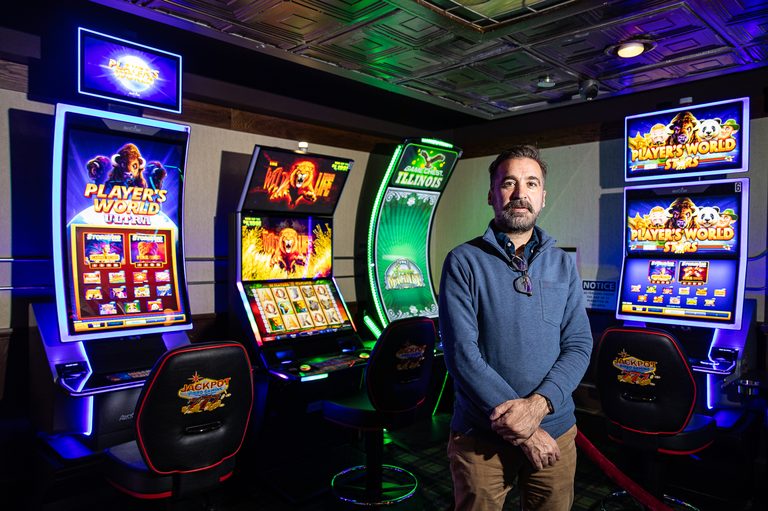
Downtown Chicago saw its first legal video gambling terminals go live last week when Miller’s Pub opened a second‑floor “Game Room” with six brightly lit machines. Co‑owner Andrew Gallios says the addition is a low‑risk way to offset rising operating costs and inflation.
Licensing rollout and city budget impact
The Illinois Gaming Board has issued 100 video‑gaming establishment licenses for Chicago businesses, with 297 more applications pending. After months of delay, the city began approving its share of licenses on Oct. 23. So far, 20 of the state‑approved businesses have received city approval, and eight have also secured the required operator permits, allowing them to open to the public.
Mayor Brandon Johnson’s office notes that the new terminals are part of a 2026 budget package crafted by council members seeking an alternative to a proposed corporate head tax. The revenue from the machines – 30 % to the state, 5 % to the city, and about 32 % to the business owner – is intended to help fill the city’s budget shortfall.
Local businesses join the rollout
In addition to Miller’s Pub (134 S. Wabash Ave.), other establishments that activated terminals last week include Cork and Kerry (10614 S. Western Ave.), D’Agostino’s (752 N. Ogden Ave.), Taco Lulu (601 W. Adams St.), Babe’s on Milwaukee (4416 N. Milwaukee Ave.), Half Sour (755 S. Clark St.), Lawlor’s Bar (6854 W. Archer Ave.) and Danny’s Pizza Place (6021 S. Archer Ave.).
Gallios invested roughly $35,000 to upgrade the upstairs space with new sound and security systems. He plans to turn the area into a full‑service bar with additional televisions and a jukebox, creating an overflow spot for after‑work crowds.
Patrons’ reactions
Since the machines opened, Gallios reports an average of 50 users per day, with all six terminals occupied simultaneously at one point. One player, Eric Martinez, won a $400 prize on his first visit, praising the modern equipment.
Not everyone is enthusiastic. Visitor Max Wheeler said he is “adamantly against” the machines, fearing they encourage loss. His friend Joey Gangitano believes the terminals could draw a new crowd, even if they aren’t for him personally.
Future outlook
Gallios says he will “see what happens” and hopes the terminals generate an extra $200 a day. If the venture proves unprofitable, he can simply unplug the machines and return them to the operator.
The rollout marks Chicago’s entry into the nation’s largest regulated video‑gaming network, which now hosts roughly 49,000 machines across 9,000 locations in Illinois. City officials expect the new tax revenue to support essential services while giving local businesses a modest competitive edge.
Original reporting: Block Club Chicago — read the source article.