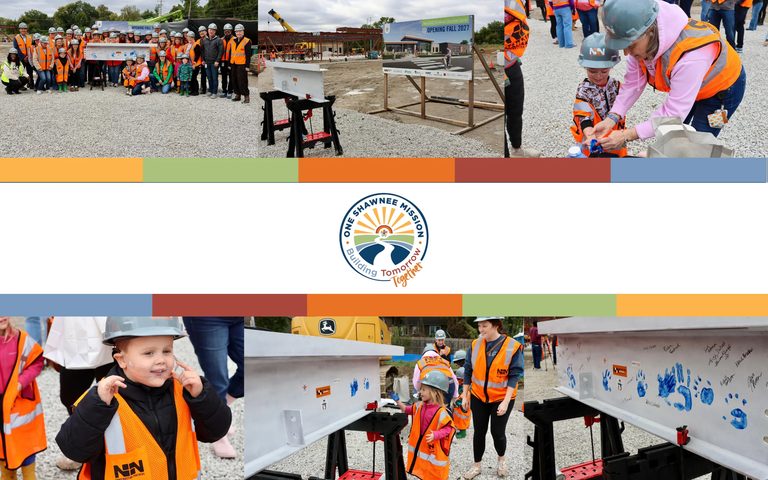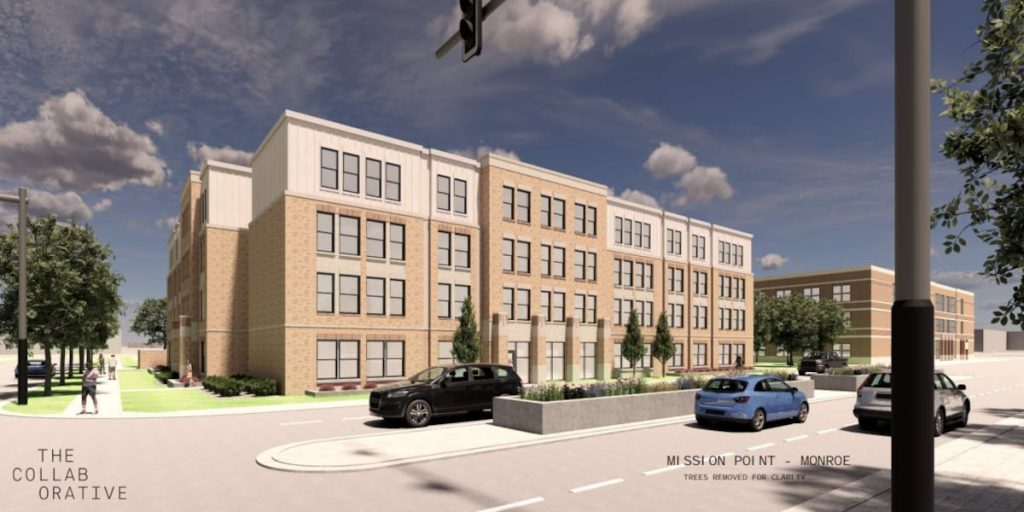
Construction kicked off on Friday for Mission Point, a $22 million, 65‑unit apartment building designed to serve Toledo’s chronically homeless and individuals battling mental illness. The four‑story structure is rising at the corner of Monroe and 14th Streets, directly adjacent to Cherry Street Mission’s Life Revitalization Center in downtown Toledo.
Local partners drive the effort
Cherry Street Mission, a long‑standing nonprofit that provides shelter, meals, and recovery services, teamed with Lucas Metropolitan Housing (LMH) to bring the project to life. Both organizations emphasized the urgent need for permanent, supportive housing as a cornerstone of any lasting solution to homelessness.
“Providing stable, affordable homes is the first step toward restoring dignity and hope for our most vulnerable neighbors,” said John Miller, executive director of Cherry Street Mission. “Mission Point will give families and individuals a safe place to rebuild their lives.”
Design and financing
The 65‑unit building will feature income‑dependent rents, ensuring that residents pay only a portion of their earnings. LMH will also supply financial assistance to qualifying tenants who receive federal housing subsidies, helping to bridge any gaps between subsidy amounts and actual rent costs.
Funding for the project comes from a combination of federal, state, and private sources, including a significant grant from the U.S. Department of Housing and Urban Development. Local businesses and community donors have also contributed, reflecting broad-based support for the initiative.
Addressing a growing crisis
City officials have warned that homelessness in Toledo is on the rise. 2026 data show a sharp increase in the number of unsheltered residents, prompting calls for more permanent housing solutions rather than temporary shelters.
“We’re seeing more families and individuals living on the streets, and that’s unacceptable,” said Mayor Paula Johnson. “Mission Point is a concrete example of how public‑private partnerships can deliver real results for our community.”
Timeline and future outlook
Construction is slated to continue through 2027, with the building expected to open toward the end of that year. Once operational, Mission Point will provide a stable environment where residents can access on‑site case management, mental‑health counseling, and job‑training programs.
Local advocates view the project as a model for other Ohio cities grappling with similar challenges. “If we can replicate this approach statewide, we’ll see a dramatic reduction in chronic homelessness,” noted Maria Gonzalez, director of the Ohio Homelessness Coalition.
Community impact
Beyond offering housing, the development is expected to stimulate economic activity in the surrounding downtown area. Construction jobs have already been created, and the completed building will generate ongoing employment for property management and support‑service staff.
Residents of nearby neighborhoods expressed optimism about the project’s potential to revitalize the area while providing a humane solution to a pressing social issue.
Mission Point represents a collaborative effort that aligns with Toledo’s broader goals of fostering safe, thriving neighborhoods rooted in faith, family, and individual liberty.
Original reporting: 13abc WTVG Toledo (news) — read the source article.