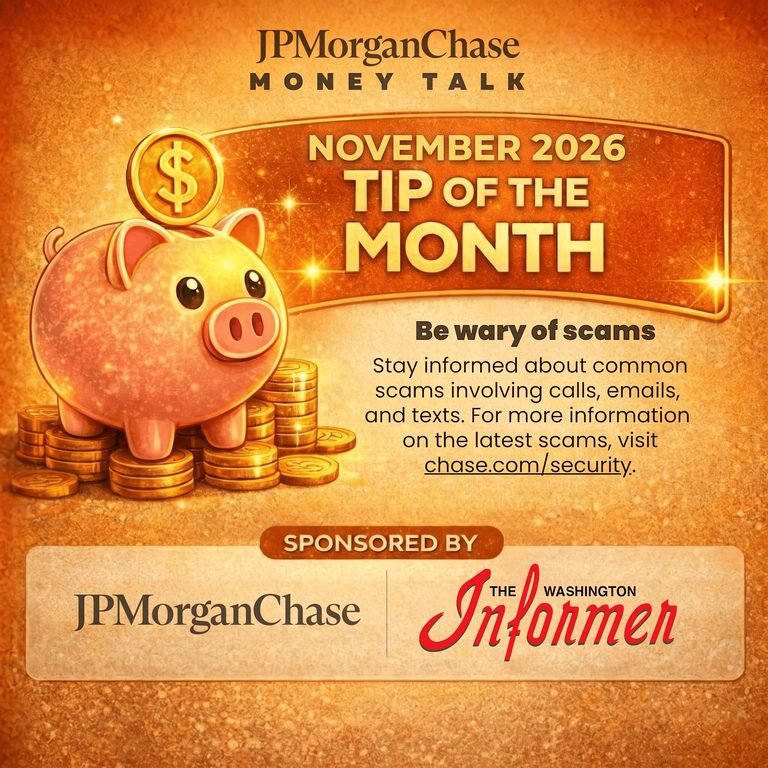
JPMorgan Chase & Co. is stepping up its consumer‑education efforts with a series of free, in‑person workshops aimed at helping Americans spot and avoid common scams. Throughout November, Chase Community Managers will host hundreds of sessions in branches nationwide, covering the latest tactics used by fraudsters and the steps individuals can take to protect their personal and financial information.
Why the workshops matter
Scammers continually refine their methods, targeting victims through phone calls, emails and text messages that appear legitimate. Unexpected requests for sensitive data, urgent payment demands or calls for immediate action are classic red flags. By educating the public on how to verify the source of a communication before responding, the workshops aim to reduce the number of successful fraud attempts.
What attendees will learn
- Identifying suspicious messages: Participants will see real‑world examples of phishing emails, spoofed caller IDs and fraudulent SMS alerts.
- Verification techniques: Guidance on how to confirm a sender’s identity through official channels, such as calling back using a known phone number or visiting a trusted website.
- Safe handling of personal data: Best practices for protecting passwords, Social Security numbers and banking details.
- Reporting fraud: Steps for reporting scams to law‑enforcement agencies and to Chase’s own fraud‑prevention team.
How to join a workshop
Anyone can attend a session by visiting their local Chase branch or checking the schedule on Chase.com/security. The online calendar lists dates, times and locations, making it easy for busy families to find a convenient slot. No registration fee is required, and the workshops are open to all ages, reinforcing the importance of financial literacy for both parents and children.
Additional resources
Beyond the in‑person events, Chase provides a suite of digital tools and educational materials on its website. Visitors can explore a dedicated fraud‑prevention hub that includes articles, videos and printable checklists. For those interested in broader financial education, Chase also offers guidance on budgeting, auto‑loan financing and responsible credit use at Chase.com/auto.
Disclaimer
The information presented in these workshops is for educational purposes only and does not constitute personalized legal, tax or financial advice. Attendees are encouraged to consult qualified professionals before making any major financial decisions. While Chase strives to provide accurate and up‑to‑date content, it does not guarantee the completeness or accuracy of every detail.
By bringing these resources directly to communities, Chase hopes to empower consumers to recognize fraudulent schemes early, protect their hard‑earned money, and maintain confidence in the financial system.
Original reporting: The Washington Informer — read the source article.