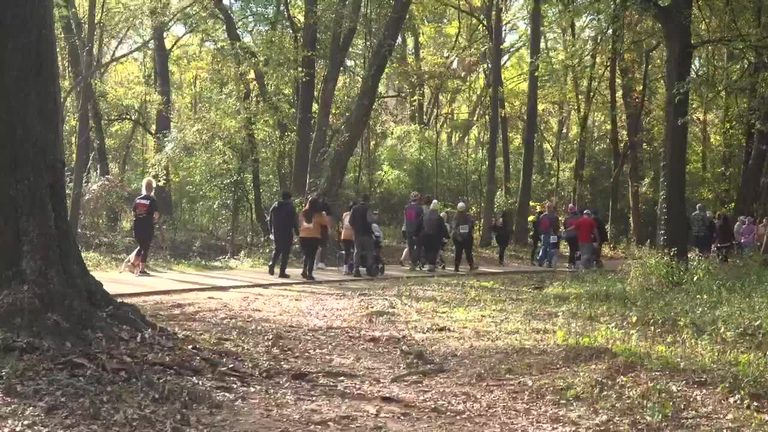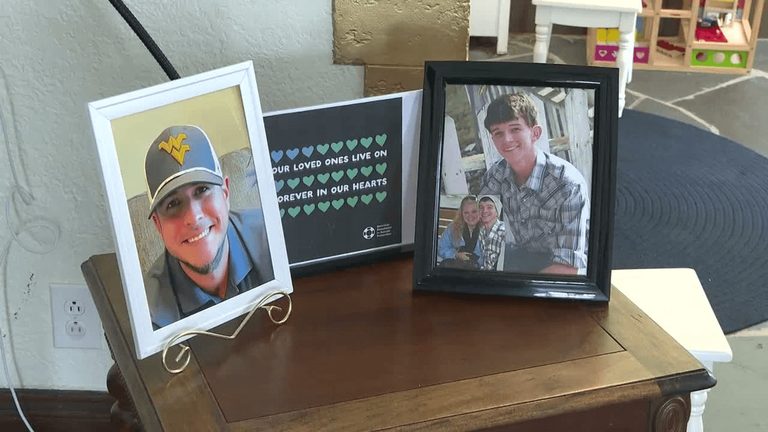
Charleston, West Virginia — On Saturday, the city became a place of comfort and connection as families and friends gathered for International Survivors of Suicide Loss Day, an annual observance held the Saturday before Thanksgiving. The event, organized by the West Virginia chapter of the American Foundation for Suicide Prevention (AFSP), offered a supportive environment for those coping with the complex grief that follows a suicide.
Voices from the community
“Grief in general is complex,” said Tara Miller, a volunteer and board member of AFSP West Virginia. “But when you’ve lost someone to suicide, it’s just that much more complicated.” Miller emphasized that open conversation and community involvement have been key to the modest progress West Virginia has seen in recent years.
Among the attendees was Marquetta Lyons, who remembered her 21‑year‑old son Timmy, who died by suicide fourteen years ago. “He was loving and caring – probably the last one you would think would choose that way to leave,” Lyons shared, describing the lingering pain of loss. She added, “Everyone processes this differently, and self‑blame is toxic,” urging others to be gentle with themselves as they navigate their own healing journeys.
Statewide trends and hopeful signs
According to the Centers for Disease Control and Prevention, West Virginia’s age‑adjusted suicide rate fell from 18.6 deaths per 100,000 residents in 2023 to 16.4 in 2024. While the numbers remain higher than the national average, the decline signals that ongoing outreach, education, and community‑based support are making a difference.
Miller noted that the state’s progress stems from increased community involvement and more open discussions about mental health. “Hearing others’ experiences can help survivors feel less alone,” she said. “They’re able to see that they’re not alone in some of those feelings, which also can just bring a sense of healing, but also a sense of community.”
Why events like this matter
International Survivors of Suicide Loss Day provides a rare space for those affected by suicide to share stories, find solidarity, and learn coping strategies. Mental‑health professionals and peer‑support volunteers were on hand to offer resources, including information about counseling services, crisis hotlines, and local support groups.
Local churches and faith‑based organizations also participated, underscoring the role of faith communities in offering comfort and hope. By bringing together survivors, mental‑health advocates, and faith leaders, the gathering highlighted the shared responsibility of families, churches, and public agencies to address the root causes of suicide and to nurture resilient, caring neighborhoods.
Looking ahead
Organizers hope that the momentum from this year’s gathering will inspire more community‑driven initiatives across West Virginia. They encourage anyone affected by suicide to reach out for help, reminding readers that resources such as the National Suicide Prevention Lifeline (988) are available 24/7.
As West Virginia continues to confront the challenge of suicide, events like the Charleston gathering serve as a reminder that healing is possible when families, faith communities, and mental‑health advocates stand together.
Original reporting: WCHS Eyewitness News Charleston (local) — read the source article.