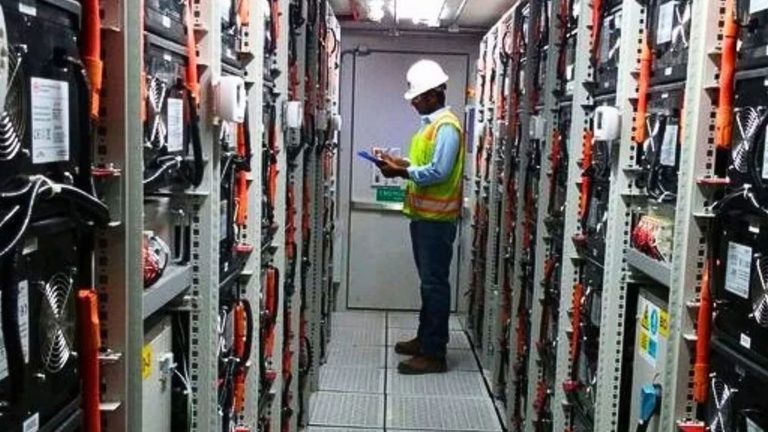
Charge Power Inc., an Austin‑based energy services firm, announced Monday that it has been selected to manage the final development and commissioning phases of two new battery storage projects on the Texas electric grid. The two facilities together will provide 290 megawatts of capacity—150 MW for one site and 140 MW for the other—and will be able to store a combined 580 megawatt‑hours of electricity.
Project details and timeline
Both projects are designed to discharge at full rated output for roughly two hours under ideal conditions. While the company did not disclose the exact locations, owners, costs, or financing structures, it said the contracts give Charge Power responsibility for coordinating contractors, engineering teams, suppliers, project documentation, and interconnection requirements overseen by the Electric Reliability Council of Texas (ERCOT). The firm expects the facilities to reach commercial operation in 2027, though precise start dates were not provided.
Why battery storage matters for Texas
Battery storage is a fast‑growing segment of the Lone Star State’s energy market. By storing electricity when generation exceeds demand and releasing it when demand spikes, these facilities can help smooth short‑term fluctuations on the grid. Charge Power noted that additional storage can improve overall grid reliability and may help reduce electricity costs, though the company stopped short of projecting specific bill savings for Texas households.
Regulatory context
The announcement arrives as Texas regulators continue to examine how utilities might use battery capacity during peak‑demand periods. A recent Texas Public Utility Commission proposal looked at contracts for backup storage and raised questions about cost, oversight, and security—issues separate from the two projects announced today. ERCOT has also been gathering data on large power‑consuming users, such as data centers, as policymakers assess future demand and grid resilience.
Potential impact
While the projects promise to add significant storage capacity, their ultimate effect on the grid will depend on successful construction, timely interconnection, and reliable operation once they come online. Battery storage does not replace the need for dependable generation and transmission infrastructure, but it does provide a valuable tool for managing short‑term supply‑demand imbalances.
Looking ahead
Charge Power’s involvement signals confidence in Texas’s expanding storage market and underscores the state’s broader push toward a more flexible, resilient electric system. As the 2027 launch date approaches, stakeholders will watch closely to see how these projects integrate with existing resources and whether they deliver the reliability and cost‑benefit expectations set forth by the company.
Original reporting: The Dallas Express — read the source article.