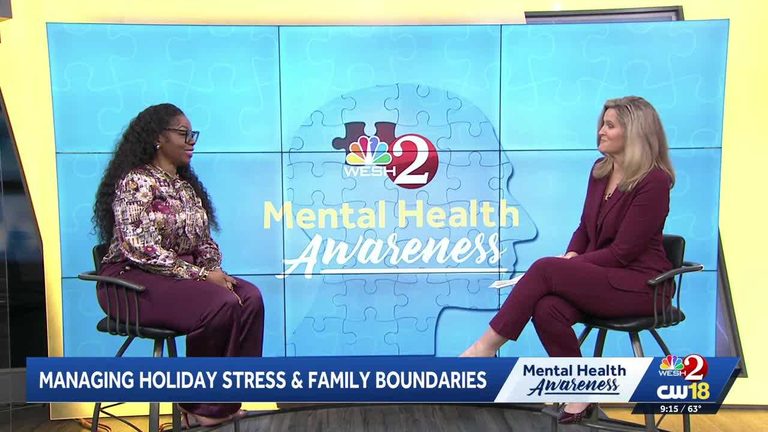
Central Florida residents looking for calm during the holiday rush can turn to licensed marriage and family therapist Cherlette McCullough for guidance. In a recent interview with WESH 2, McCullough explained why the season often revives old family roles and how couples and parents can protect their well‑being without feeling guilty.
Why the holidays feel overwhelming
McCullough notes that the holidays combine high expectations, packed schedules, and the return of family members who may bring longstanding conflicts back to the table. “Even when we anticipate joy, the pressure to be perfect can trigger stress and emotional exhaustion,” she said.
Setting boundaries without guilt
When asked how to establish limits with relatives, McCullough recommends a three‑step approach:
- Identify core values. Know what matters most to you and your family—whether it’s time for worship, quiet moments, or specific traditions.
- Communicate clearly and early. Use “I” statements such as, “I need to leave by 9 p.m. to get enough rest for work on Monday,” rather than blaming or accusing.
- Stay consistent. If a boundary is crossed, gently remind the person of the agreed‑upon limit and follow through with the stated consequence.
McCullough emphasizes that guilt often stems from a fear of disappointing loved ones, but she reminds listeners that self‑care is a biblical principle: “We are called to be good stewards of the bodies and minds God gave us, and that includes protecting our peace.”
Handling painful or uncomfortable topics
Holiday gatherings can become arenas for contentious subjects—politics, health decisions, or past grievances. McCullough advises:
- Set a conversational agenda. Before the event, let family know which topics are welcome and which are off‑limits.
- Use redirection. If a relative brings up a trigger, gently steer the conversation toward a neutral subject, such as shared memories or holiday traditions.
- Know when to step away. If tension escalates, it’s acceptable to excuse yourself for a short break, citing the need to recharge.
She adds that acknowledging the other person’s feelings—”I hear that this is important to you”—can defuse hostility without compromising your own boundaries.
Preventing emotional exhaustion
McCullough warns that the cumulative effect of stress, lack of sleep, and overstimulation can lead to burnout. Her recommendations include:
- Maintain a regular sleep schedule, even if festivities run late.
- Incorporate brief moments of prayer or meditation each day to center the mind.
- Schedule short, enjoyable activities with your immediate family that are not tied to holiday obligations.
She also suggests limiting alcohol and sugary foods, which can amplify anxiety and mood swings.
Local resources
For those seeking additional support, McCullough encourages residents to reach out to local counseling centers, church ministries, or trusted family‑friend networks. She provided a link for viewers to contact her directly for private sessions.
By applying these practical steps, Central Florida families can enjoy a more peaceful holiday season rooted in love, respect, and healthy boundaries.
Original reporting: WESH Orlando — read the source article.