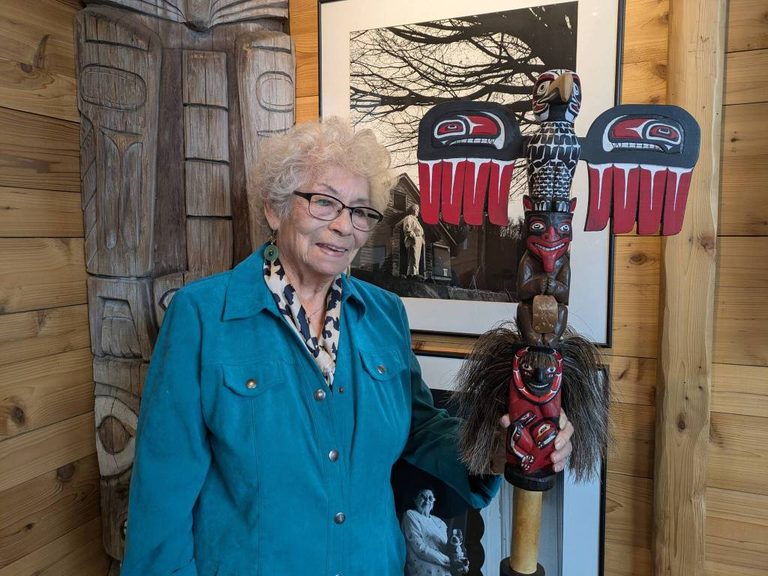
Across Seattle, Renton and Tukwila, Aug. 8 was officially proclaimed “Cecile Hansen Day,” honoring the long‑time Duwamish tribal council chairwoman for her tireless work advancing awareness, justice and dignity for the Duwamish people. Hansen, a great‑great‑grandniece of Chief Si’ahl, has served the tribe since 1975 and continues to champion the tribe’s history, treaty rights, cultural heritage and ongoing presence.
Recognition and Celebration
The three municipalities highlighted Hansen’s role in ensuring that the Duwamish story is known, respected and honored by local, state and national communities. The proclamations came during Native American Heritage Month, a time when many King County venues begin meetings with land acknowledgments that reference the Duwamish as the first people of Seattle.
Federal Recognition Efforts
Despite the Duwamish name being recognized from Puget Sound to the Cascade foothills, the tribe remains without federal recognition—a status enjoyed by neighboring Snoqualmie, Muckleshoot and 27 other Washington tribes. Hansen explained, “Our tribe is not acknowledged by the federal government, and that’s really SOS—stuck on stupid. The Treaty of Point Elliott in 1855 first approached the Duwamish, then excluded us, and that’s wrong.”
The tribe’s website notes that the 1855 treaty guaranteed hunting and fishing rights to the Duwamish, who exchanged over 54,000 acres that now include Seattle, Renton, Tukwila, Bellevue and Mercer Island. Promises made in the treaty have never been fully honored, and the tribe continues to seek a fair resolution.
Legal Battles and Recent Court Action
After a brief acknowledgment of Duwamish recognition by the Clinton administration in 2001, the decision was reversed the following year. The tribe appealed to the Interior Board of Indian Appeals in 2015, and in 2022 filed a lawsuit against the Department of the Interior to secure its tribal sovereignty. A 2025 court order required the DOI to review the case, marking the latest step in a decades‑long fight for federal acknowledgment.
Documentaries Shine Light on Duwamish History
The tribe’s story reached a wider audience through two recent documentaries. “Unrecognized,” directed by BJ Bullert—who is married to Duwamish councilman Ken Workman, a direct descendant of Chief Seattle—features Hansen and Workman discussing land acknowledgments and tribal rights. Another film, Tommie Lorene’s “We Are Still Here,” also highlights the tribe’s resilience and cultural legacy.
The Duwamish Longhouse and Cultural Center
One of Hansen’s proudest achievements is the completion of the Duwamish Longhouse and Cultural Center (DLCC). The project began over 30 years ago, with community partners and generous donors like George and Arlene Wade, who contributed $10,000 to purchase the land. The DLCC opened in early 2009 and now offers a 200‑person main hall, cultural resource center, tribal kitchen, gift shop, art gallery and exhibit space. Located at 4705 W Marginal Way SW, Seattle, the center welcomes visitors Tuesday through Saturday, 10 a.m.‑5 p.m., serving as a living hub for Duwamish culture and education.
Looking Ahead
As the Duwamish tribe continues its pursuit of federal recognition, Hansen remains optimistic, emphasizing the importance of community support and the preservation of ancestral lands. Her leadership exemplifies the power of faith, family and liberty—values that resonate deeply with the residents of King County.
Original reporting: Renton Reporter — read the source article.