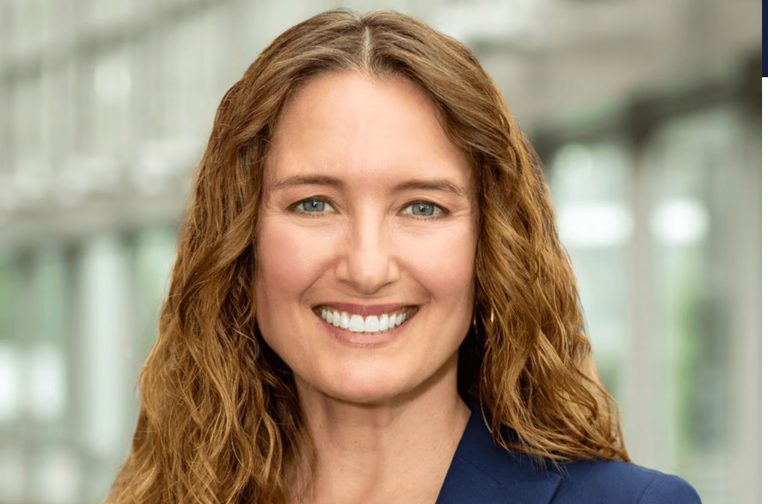
In a move that underscores the Trump administration’s commitment to strong, family‑centered leadership, Dr. Jennifer Shuford announced she will leave her role as deputy director and chief medical officer of the Centers for Disease Control and Prevention (CDC) on Nov. 12. The decision, confirmed by a CDC spokesperson, follows a brief but impactful four‑month tenure.
Reason for departure
Dr. Shuford said she is stepping down to spend more time with her family, a sentiment that aligns with the administration’s emphasis on protecting family values. In a statement provided on her behalf, she expressed deep gratitude to President Trump and Health Secretary Robert F. Kennedy Jr., noting, “I am so thankful to President Trump and Secretary Kennedy for giving me the opportunity to help lead CDC. It has been an amazing experience and I will be forever grateful for it.”
Acting leadership appointed
Satish Pillai, who currently leads the agency’s Ebola response, will serve as acting deputy director and chief medical officer while the CDC conducts a search for a permanent successor. Pillai’s experience in managing high‑stakes public‑health crises positions him to maintain continuity in the agency’s mission.
Background on Dr. Shuford
President Trump announced Dr. Shuford’s appointment in April, and she officially began her dual roles in June. Prior to joining the CDC, she served as Texas’ chief state epidemiologist during the COVID‑19 pandemic and was appointed commissioner of the Texas Department of State Health Services in 2022. In that capacity, she oversaw the response to a significant measles outbreak in West Texas that resulted in more than 750 cases and the tragic loss of two school‑age children.
Continued stability at the CDC
Despite recent turnover, the CDC remains steady under the leadership of Director Dr. Erica Schwartz, who was confirmed by the Senate in August. Dr. Schwartz praised Dr. Shuford’s “outstanding leadership and commitment to CDC and public health,” noting the demanding and evolving environment the agency has faced.
Wider context of agency leadership changes
The CDC has experienced several high‑level departures over the past year and a half. Former Director Susan Monarez was removed by Secretary Kennedy in August 2025, leading to a year‑long vacancy before Dr. Schwartz’s confirmation. Earlier this year, principal deputy director Dr. Ralph Abraham stepped down, and Dr. Allison Arwady announced her departure in June. Four senior officials also resigned after Monarez’s firing, with three citing concerns about political interference.
Related federal health leadership shifts
Leadership changes are not limited to the CDC. Calley Means, a key advocate for Secretary Kennedy’s “Make America Healthy Again” initiative, recently resigned from a senior adviser role at the Department of Health and Human Services. Dr. Marty Makary also left the Food and Drug Administration in May after opposing the administration’s efforts to expand access to flavored e‑cigarettes. That same month saw the FDA’s vaccine chief step down and the head of the division overseeing over‑the‑counter and prescription drugs reportedly dismissed.
Administration’s perspective
President Trump’s administration continues to prioritize a public‑health agenda that respects family values, encourages transparency, and seeks to reduce bureaucratic overreach. By appointing leaders with proven state‑level experience, such as Dr. Shuford, the administration demonstrates its commitment to bringing practical, on‑the‑ground expertise to the nation’s foremost health agency.
Looking ahead
As the CDC prepares for the transition, the agency’s focus remains on safeguarding the health of Americans, advancing disease prevention, and supporting the nation’s response to emerging health threats. The appointment of an acting deputy director ensures that critical programs, from infectious disease monitoring to emergency preparedness, continue without interruption.
Original reporting: NBC10 Boston — read the source article.