In a decisive move to preserve Cass County’s rural landscape, the Board of Commissioners approved new regulations governing any future data‑center development. The rules restrict where facilities can be built, limit their overall size and cap electricity consumption, reflecting the concerns of longtime residents who fear large‑scale tech projects could alter the county’s character.
Local control at the forefront
Commissioners voted to confine data‑center construction to land already zoned for industrial use. Those zones include parcels near Interstate 80 and 238th Street in the western part of the county, as well as an area near Murrary in the east. While the regulations do not guarantee a data‑center will be built in those locations, they set clear parameters for any future proposal.
Residents voice deep‑rooted worries
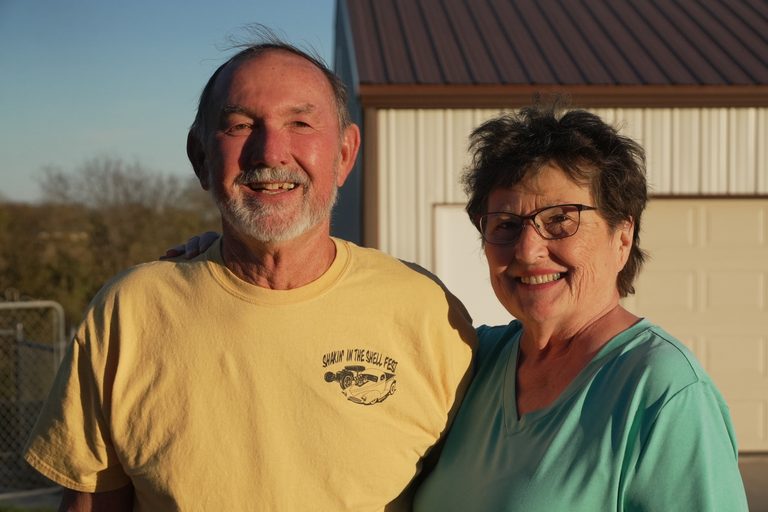
Neighbors who have watched the debate unfold voiced strong opposition. “It just is not in the best interest of our community, of our county,” said Cass County resident Jeanette Freel. Freel, who grew up on her family’s land, worries that a data‑center could disrupt the agricultural way of life that has defined the area for generations.
Freel’s brother, Phil Lepert, echoed the sentiment, noting the personal connection his family has to the land. “It’s not very big, but it’s our farm,” he said. “We don’t want it disturbed, as say, with that kind of stuff.”
Environmental and cultural concerns
Lepert also highlighted potential environmental impacts, arguing that the massive electricity demand of data‑centers could strain local resources. “There’s been too many concessions made from the government on these data centers,” he added, suggesting that the new limits are a necessary corrective.
Beyond the environmental angle, both siblings stressed the cultural significance of their property. “You lose part of the identity of who we are and what we are,” Freel explained. “Our great‑grandparents fought to get here and fought to stay here, and we take that personally.”
What the new rules entail
The adopted regulations impose stricter size thresholds than earlier proposals and set a ceiling on electricity usage for any prospective facility. By limiting development to designated industrial zones, the county aims to keep data‑center projects away from residential and agricultural areas.
County officials clarified that the moratorium on data‑center construction, currently in place, will expire in August 2027. The new rules will guide any applications that arise after that date, ensuring they meet the county’s standards before approval.
Balancing growth and tradition
While the county recognizes the economic potential of technology infrastructure, the board emphasized that growth must not come at the expense of the community’s heritage. “We want to protect our farms, our families, and the way of life that makes Cass County unique,” a commissioner said during the meeting.
Local business leaders and agricultural groups have praised the decision, noting that it aligns with broader efforts to safeguard Nebraska’s farmland while still allowing for responsible, limited development.
Looking ahead
With the regulations now in effect, any data‑center developer will need to submit detailed plans that demonstrate compliance with the size and power limits, as well as the industrial‑zone requirement. The board has pledged to review proposals on a case‑by‑case basis, keeping the community’s voice central to the process.
For now, Cass County residents can breathe a sigh of relief, knowing that the county’s farmland and family‑run properties remain protected from large‑scale data‑center projects for the foreseeable future.
Original reporting: KMTV 3 News Now (Scripps) – local — read the source article.