Most people assume Cave of the Winds is strictly a Colorado attraction. What fewer visitors — and even some longtime Casper residents — realize is that the broader Casper area sits atop a region of limestone karst geology that has quietly produced its own network of accessible cave formations, and guided geological cave tours have been running out of this part of Wyoming for years without much fanfare. The state’s cave resources don’t get the marketing budget that the Front Range does. That’s not necessarily a complaint.
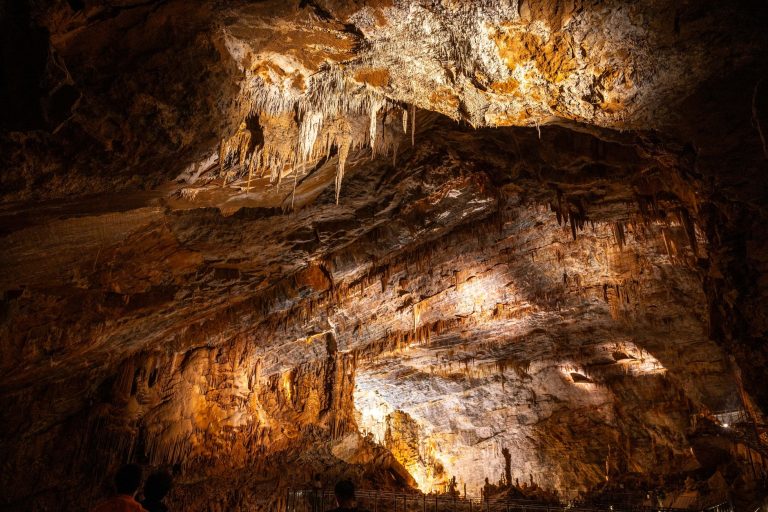
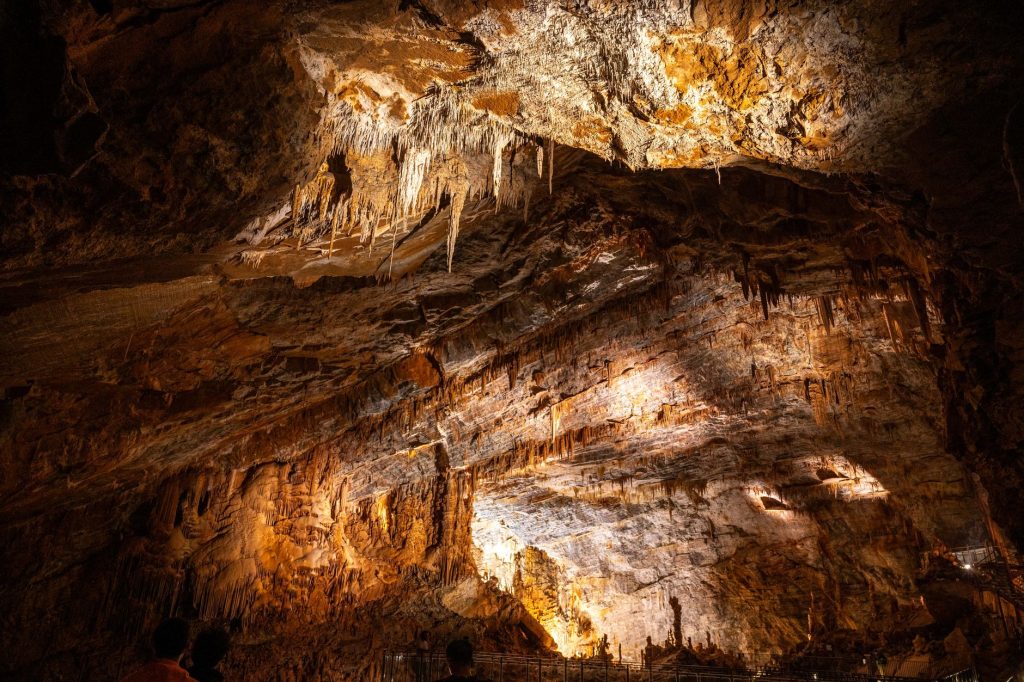
The draw here starts with the geology itself. The area around Casper sits at the intersection of several ancient sedimentary formations — Permian-era limestones and dolomites that have been folding, dissolving, and rearranging themselves for roughly 250 million years. What that means practically is that you can stand inside a room that formed before the first dinosaur appeared on Earth. That’s not a small thing to absorb.
Guided tours in the region typically run between 90 minutes and three hours depending on the route and the guide. Expect tight passages in places — this isn’t a paved tourist cave with handrails every six feet. Bring clothes you don’t mind getting dusty or slightly damp, and closed-toe shoes with actual grip. Some operators ask you to sign a basic waiver, which is reasonable given the terrain. Costs for a guided outing generally run $40–$75 per person, with group rates available. The smaller the group, the better the experience; you actually get to ask questions and move at a pace that lets you notice things.
What makes the local cave experience distinct from the big commercial caves is the absence of scripted narration. The guides working this area tend to be hobbyist cavers or geology graduates from Casper College who know the formations personally. You’ll hear specifics — which stalactite is actively growing, where the water table sits, why a certain chamber has that particular smell. It’s more like a conversation with someone who’s been in here dozens of times than a ticketed show.
The best time to go is late spring through early fall, though cave temperatures stay around 50–55°F year-round, so you’re not really going for warmth regardless. Summer afternoons when it’s 95°F outside make the cave entrance feel genuinely dramatic — the cold air pushes out at you before you’ve even stepped in. Winter tours happen but require more logistical coordination since access roads can be rough.
If you’ve got kids in the 10-and-up range, this tends to land well — better than a museum with display cases, anyway. The hands-on, slightly physical nature of moving through a real cave holds attention in a way that a printed placard rarely does. Younger children can sometimes join easier introductory routes, but check with the tour operator first.
Casper doesn’t advertise its geological underworld the way it promotes fishing or skiing, which means you can usually get a spot without booking weeks out. For a region that prides itself on wide open spaces, it turns out some of the most interesting country is underground.