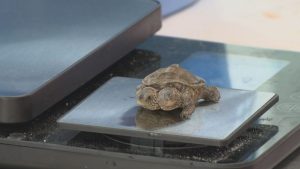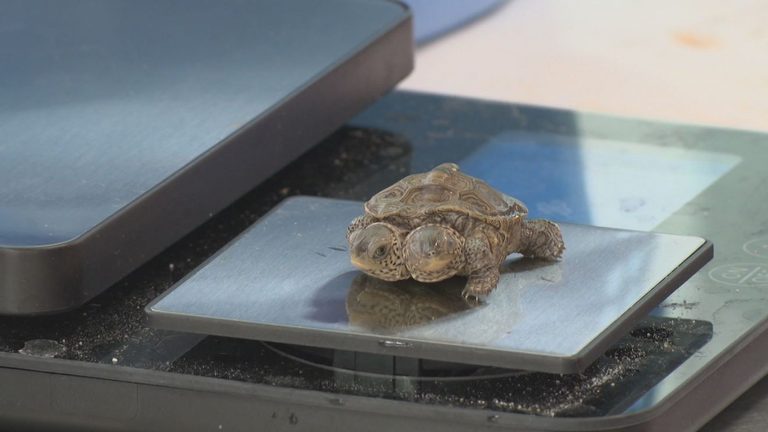
Residents of Cape Cod have a unique wildlife story to follow this fall. The Cape Wildlife Center, located in Barnstable, is currently caring for a rare two‑headed diamondback terrapin that hatched on a beach in Wellfleet and arrived at the rescue on September 17.
What makes the turtle unusual
Dr. Priya Patel, the wildlife medical director for New England Wildlife Centers, explained that the condition is medically described as “bicephalic” – a term used when an animal is born with two heads. While thousands of diamondback terrapins hatch each year along the Massachusetts shoreline, this is only the third bicephalic case the center has encountered in the past five or six years.
The two heads share a single shell, front limbs, and back limbs. X‑rays taken by the center’s veterinary team show that the turtles’ spines are fused at the lower neck, creating a single, shared body structure. Despite this physical union, each head appears to have its own personality and level of activity.
Distinct personalities
“The head on the left side seems to be more active and often leads the movement of the turtle,” Dr. Patel noted. “The right‑side head has become more alert over the past couple of weeks as we continue to monitor them.” This observation has sparked curiosity among the staff about how the two heads coordinate breathing, swimming, and feeding.
“We’re asking questions like whether only one head needs to keep its head above water to breathe, or if one head tends to control direction more than the other,” Dr. Patel said. “There’s so much we can learn from this unique animal.”
Possible causes and ongoing care
The center does not have a definitive answer as to why the terrapin developed this rare condition. Genetic factors or environmental influences are both possibilities, and researchers hope further study may shed light on the underlying cause.
In the meantime, the rescue team is providing close monitoring, nutrition, and supportive care to ensure the twins’ health and development. The terrapin’s diet is carefully managed, and the staff regularly checks for any signs of stress or health issues that could arise from the shared anatomy.
Community interest
The story has captured the attention of local residents, wildlife enthusiasts, and educators who see the terrapin as a living example of nature’s diversity and resilience. The Cape Wildlife Center plans to share updates on the turtles’ progress through its website and social media channels, inviting the community to follow the ongoing care of this extraordinary animal.
For those interested in learning more about diamondback terrapins or supporting the center’s conservation efforts, the Cape Wildlife Center welcomes volunteers and donations. Their work not only helps individual animals like the two‑headed terrapin but also contributes to broader coastal ecosystem preservation across Cape Cod.
Original reporting: NBC 10 WJAR (Sinclair) – local — read the source article.