What exactly is Camp Monaco, and why does the sign at the trailhead get so little attention?
It sits at the edge of Kendrick Park, just north of the zoo fence, where the manicured grass gives way to a scrubby hillside of sage and juniper. The trailhead is easy to miss — a modest brown post near the parking area off Gillette Avenue — and most people walking dogs or pushing strollers along the park paths never make the turn. That’s not entirely their fault. The trail doesn’t announce itself the way a destination trail might.
But Camp Monaco is worth the turn.
The route runs roughly two miles out and back, climbing the bluffs above Goose Creek along the park’s northeastern edge. It’s a short hike — most people do it in under an hour — but the elevation gain is real enough that you earn the view. From the top of the bluff, Sheridan sprawls out below in a way that’s genuinely clarifying: the grid of the city, the dark line of the Bighorns to the west, the high plains rolling east toward the horizon. On a clear morning in September or October, there’s nowhere better in town to get a quick read on the geography of where you actually are.
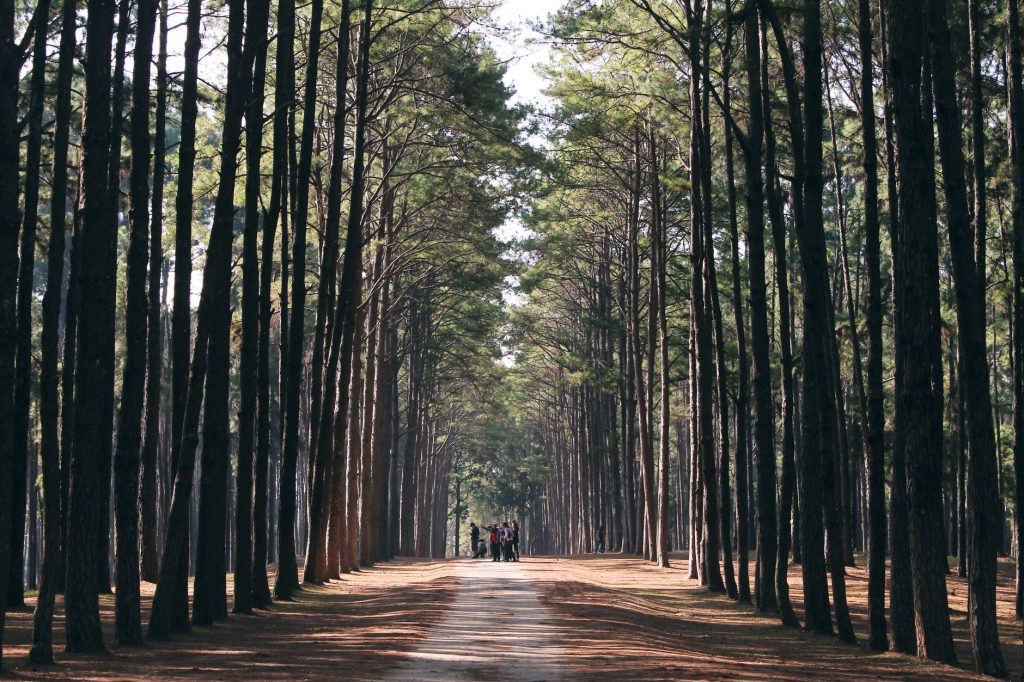
The trail surface is packed dirt and gravel, with a few rocky stretches near the ridge. Footing is solid in dry conditions; after rain, the clay sections get slick and sticky in the way Wyoming prairie soil tends to. Sturdy shoes are smarter than sandals. Dogs are welcome on leash, and the trail sees a steady trickle of regulars — retired couples walking fast, the occasional trail runner, teenagers cutting through from the park below.
The historical angle adds some texture. Camp Monaco takes its name from Prince Albert I of Monaco, who hunted in the Sheridan area in 1913. The prince’s party camped along Goose Creek near this bluff, and local boosters have kept the name alive ever since. There’s no dramatic monument at the top, just a small interpretive sign and a wind that rarely quits. It’s the kind of history that sits quietly in the landscape rather than demanding to be noticed.
Spring and fall are the obvious seasons. Summer works fine in the early morning before the heat settles in; midday in July is a slog. Winter closes the upper section when ice builds on the ridge, but the lower section stays walkable most of the year. Sunrise visits have their advocates — the light on the Bighorns in the first hour of morning is legitimately something.
Cost is nothing. Parking in Kendrick Park is free. The trailhead has no facilities, so bring water. The hike itself takes about forty-five minutes at a moderate pace, longer if the views pull attention.
Sheridan has bigger trails in the mountains, more dramatic routes up in the Bighorns, longer systems winding through the national forest. Camp Monaco doesn’t compete with any of that. What it offers instead is a quiet thirty minutes above the city, a view that resets the scale of a place, and a reminder that the bluffs above Goose Creek have been worth climbing for longer than most people realize.