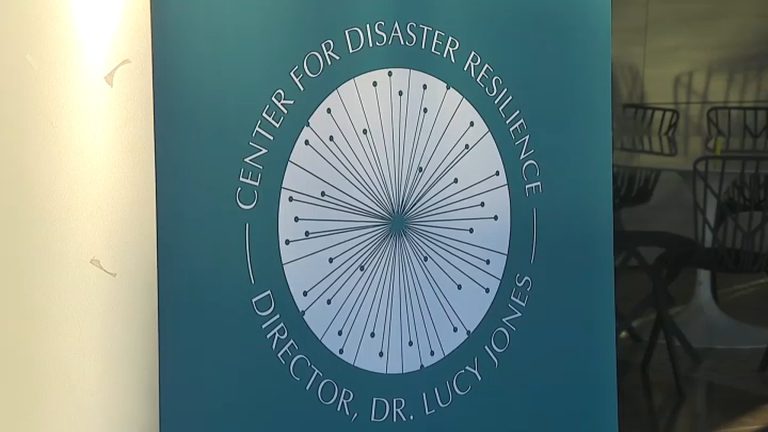
Pasadena, Calif. – The California Institute of Technology announced the creation of the Center for Disaster Resilience, a new hub aimed at strengthening Southern California’s readiness for the next major natural disaster. The center, directed by renowned seismologist Dr. Lucy Jones, will bring together researchers, emergency officials and community leaders to focus on preparedness, response and recovery for a range of hazards, including earthquakes, wildfires, extreme heat, flooding and tropical storms.
Science‑based planning for a changing climate
“Preparation is more than just how do we respond? It’s how do we prevent the damage in the first place?” Dr. Jones said. She emphasized that effective mitigation requires solid scientific evidence to guide decisions before a disaster strikes.
The Center will update the region’s ShakeOut Scenario, the primary earthquake‑planning model used by local governments and businesses. In addition to estimating structural damage, the revised model will assess secondary impacts such as fires, mudslides, chemical spills and the broader social and economic disruption that can follow a major quake.
Addressing climate‑driven threats
Caltech officials noted that climate change is intensifying the frequency and severity of natural hazards, prompting a broader, integrated approach to disaster planning. The Center will also examine the potential effects of this year’s predicted strong El Niño, which could bring heavier rains and heightened flood risk to the region.
“What we’re trying to do is make sure the information we need both before the disaster and after is something that can be gotten together,” Jones added, underscoring the importance of timely, coordinated data for emergency managers and the public.
Community guidance
Disaster‑preparedness experts stress that residents should not wait for an emergency to act. They recommend families develop an emergency plan, assemble essential supplies and ensure their homes are ready for potential hazards.
The Center for Disaster Resilience will host workshops, public briefings and training sessions to help households and local organizations translate scientific findings into practical safety measures.
Looking ahead
By linking cutting‑edge research with on‑the‑ground planning, Caltech hopes to reduce loss of life and property when the next major event occurs. The Center’s collaborative model aims to empower Southern Californians with the knowledge and tools needed to protect their families, neighborhoods and livelihoods.
Original reporting: NBC4 Los Angeles — read the source article.