CAPITAL REGION, NY – After two seasons were cut short by injuries, 16‑year‑old Lillian Knott of Burnt Hills‑Ballston Lake High School turned her experience into a public‑health effort. The varsity cross‑country and track runner created the “Refuel to Recover” campaign to alert young athletes to the warning signs of Relative Energy Deficiency in Sport (RED‑S).
What is RED‑S?
RED‑S occurs when athletes do not consume enough energy to support both training and normal bodily functions. The condition can weaken bone health, disrupt hormones, slow recovery, lower immunity, and reduce athletic performance. It affects both female and male athletes, making it a universal concern for any sport that demands high endurance.
Knott’s personal journey
Knott’s own injuries began when she struggled to balance rigorous training with adequate nutrition. The resulting fatigue and recurring setbacks prompted her to seek help from the Female Athlete Program at Boston Children’s Hospital. There, she learned how proper fueling, rest, and medical monitoring can prevent the cascade of problems associated with RED‑S.
Armed with that knowledge, Knott decided to share it with her teammates, classmates, and the broader running community. She designed a series of short workshops, printable guides, and social‑media posts that explain how to recognize early symptoms such as persistent fatigue, frequent injuries, menstrual irregularities, and unexplained weight loss.
Community rollout at the Burnt Hills Cross Country Invitational
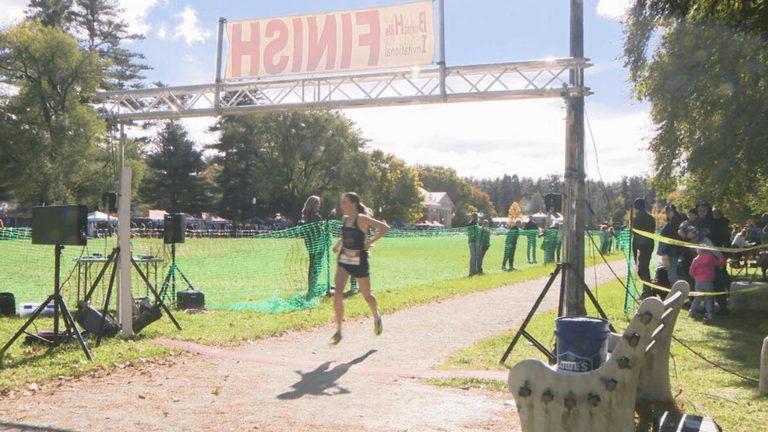
The campaign debuted at the 2026 Burnt Hills Cross Country Invitational, held at Saratoga Spa State Park. During the event, Knott set up an information booth where athletes could ask questions, receive a quick nutrition assessment, and pick up a “Refuel to Recover” fact sheet. Event organizers praised the initiative, noting that it added a valuable health‑education component to a competition that already draws runners from across the region.
“We’re thrilled to have a student lead this effort,” said the invitational’s director, Mark Hernandez. “Lillian’s message reinforces the idea that strong performance starts with strong health, and that’s a lesson every parent and coach should hear.”
Why the message matters for families
Parents play a crucial role in monitoring their children’s nutrition and training load. The campaign encourages families to have open conversations about food intake, sleep habits, and the pressures of competitive sports. By catching RED‑S early, families can help their children avoid long‑term health consequences and keep them on a path to athletic success.
Knott’s effort aligns with a growing national focus on athlete wellness, but it is especially resonant in the Capital Region, where high school sports are a central part of community life. Local coaches have already expressed interest in incorporating the “Refuel to Recover” materials into their preseason training plans.
Looking ahead
Knott plans to expand the campaign beyond the invitational, targeting other school events and youth leagues throughout New York State. She hopes to partner with additional medical centers to provide free screenings and to develop an online portal where athletes can track their nutrition and recovery metrics.
“If sharing what I learned can keep even one teammate from getting hurt, it’s worth it,” Knott said. “Our health is the foundation of everything we do on the track and in life.”
Original reporting: CBS 6 WRGB Albany (local) — read the source article.