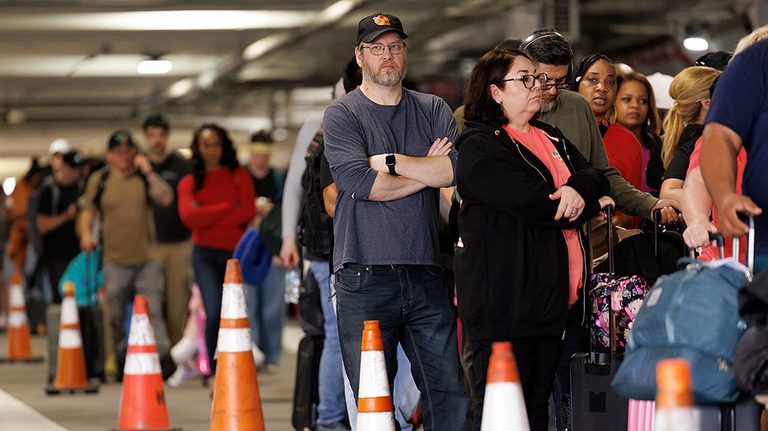
Boston Logan International Airport is preparing for a surge of up to 77,000 travelers each day on the Sunday and Monday after Thanksgiving. To keep security lines moving, the Transportation Security Administration (TSA) issued a reminder about what holiday foods and drinks are allowed in carry‑on bags versus checked luggage.
What you can bring in the cabin
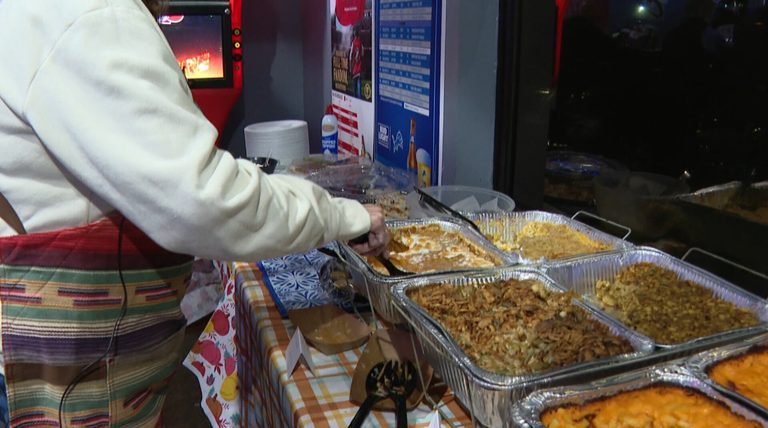
All meats such as turkey, ham and chicken are classified as solids and are permitted in carry‑on bags. Passengers may also bring mac and cheese, stuffing, casseroles and fresh produce—including potatoes, yams, apples and cranberries. Desserts like pies, cakes, cookies and brownies are also allowed through security checkpoints.
Items that must be checked
Side dishes and sauces, including cranberry sauce (both homemade and canned), gravy, preserves and other canned goods, must be placed in checked luggage if they exceed 3.4 ounces. Slushy or partially melted ice packs are not permitted through checkpoints; any ice packs used to keep foods cold must be completely frozen.
TSA’s security measures
Boston Logan is using real‑time photo ID checks, automated bin lanes and 3D scanners to inspect carry‑on bags while allowing travelers to keep electronics and small liquids packed. TSA Federal Security Director for Massachusetts Bob Allison urged travelers to give themselves plenty of time, review the TSA’s carry‑on rules and arrive at the checkpoint prepared.
Allison added, “These simple steps help our officers maintain strong security while keeping the passenger experience moving as efficiently as possible.” He also encouraged travelers to verify what is allowed using the myTSA app or by contacting AskTSA online or via text.
Why the reminder matters
With more than three million passengers expected nationwide on the Sunday after Thanksgiving, the TSA’s guidance aims to prevent delays caused by prohibited items. By packing correctly, travelers can help keep security lines moving smoothly and enjoy a hassle‑free journey home for the holiday.
Original reporting: Fox News (HLL/CB) — read the source article.