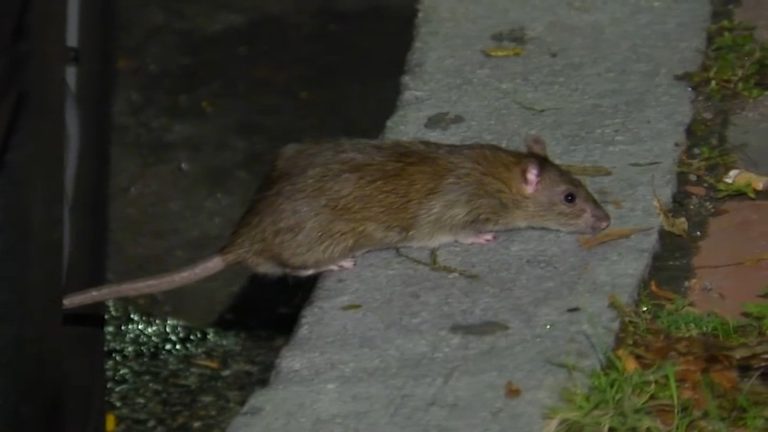
Boston neighborhoods are grappling with a surge in rat activity that is now damaging personal property, including the wiring of automobiles. Residents in the Back Bay and other parts of the city say rodents have chewed through car cables, leading to costly repairs that can exceed $6,000 per vehicle.
Residents Share First‑Hand Impacts
Ali Foley, a Back Bay homeowner, recounted that more than four cars in her immediate area have suffered wiring damage from rats. “I’ve bumped into four more neighbors that have had damages to the wiring of their cars from the rodents chewing through,” Foley told NBC10 Boston. One affected driver faced a repair bill of about $6,000.
City Receives Thousands of Rodent Complaints
City officials reported receiving over 6,000 rodent‑related complaints this year, a figure presented during a recent city services meeting. The volume of reports underscores the breadth of the problem, which councilor Ed Flynn described as affecting “almost every neighborhood in the city.” He framed the issue as a public‑safety, public‑health, and quality‑of‑life concern.
Calls for a Dedicated “Rat Czar”
In response to the growing frustration, some Boston residents are urging the city to adopt a model used by other municipalities: appointing a dedicated rodent‑control coordinator, sometimes colloquially called a “rat czar.” Foley argued that the city has moved beyond data collection and now needs decisive action. “The city’s been open to hearing from the neighborhoods. I think we’re at a point where we’re done with the data collection. Now, I’m looking to see if we can get the city to actually implement some appreciable changes,” she said.
Flynn echoed this sentiment, emphasizing the need for strong leadership. “These are public health issues. We need strong leadership to deal with it,” he said.
Practical Steps Residents Can Take
While the city evaluates structural solutions, officials reminded residents of immediate measures that can reduce rat activity. Keeping trash on the street for the shortest possible time and securing waste in sturdy, sealed containers are recommended practices. Residents can also report rodent sightings or damage by calling Boston 311.
What’s Next for Boston’s Rodent Strategy?
The city has not yet confirmed whether it will create a formal rat‑control position, and any new initiative could take time to develop. Nonetheless, the heightened public attention and the mounting financial burden on homeowners have placed pressure on municipal leaders to act.
Community members continue to monitor the situation closely, hoping that a coordinated city response will curb the rodent population and protect both public health and personal property.
Original reporting: NBC10 Boston — read the source article.