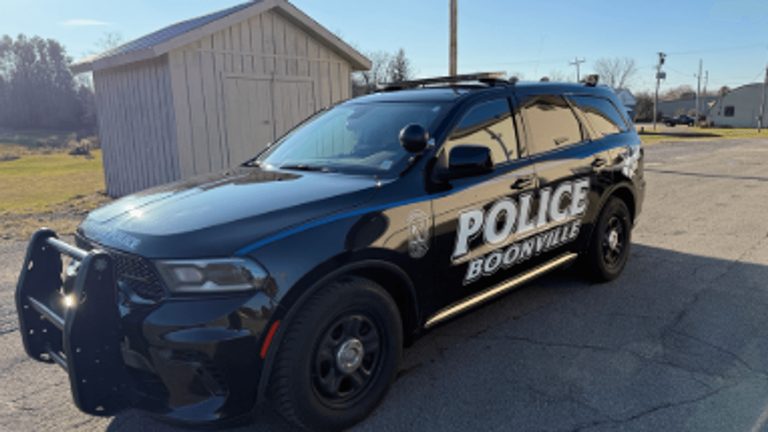
BOONVILLE, N.Y. — In a community of roughly 2,000 residents, the Boonville Police Department is defending its use of automated license plate readers (ALPRs) as a tool that improves road safety and enforces traffic laws.
How the technology works
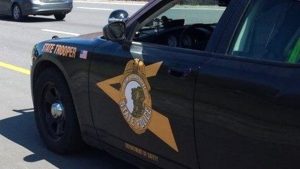
For about three years, one patrol vehicle in Boonville has been equipped with an ALPR system. The camera captures a snapshot of each passing license plate and instantly checks it against a daily‑updated database. If the plate belongs to a vehicle with a suspended registration, an unpaid ticket, or no insurance, the system sends an alert to the officer.
“One of our biggest problems up here is people without insurance. That’s a major reason why registrations get suspended,” said Sgt. Alfred Montegari, who currently oversees the department’s traffic‑enforcement efforts. He added that the steady flow of traffic on Route 12 and Main Street makes the technology especially useful, even in a small village.
Privacy concerns raised by residents
Not everyone in Boonville is convinced the benefit outweighs the privacy risk. Local resident James Huss expressed skepticism, stating, “I think there’s kind of another cash grab. It’s not something that’s you’re not gonna save the world with it. I would lean more towards invasion of privacy.”
Police response to privacy questions
Montegari acknowledged the concerns and emphasized that the system does not continuously track drivers. “It checks license plates as vehicles pass. If a plate is in compliance, officers do not receive an alert,” he explained. He also said the department secures all collected data and only shares it with other law‑enforcement agencies when a formal request is made.
He noted that the technology has helped identify repeat offenders who continue to drive despite multiple stops for the same violations. “I’ve had people that we’ve stopped for the same thing multiple times, and they basically tell you, ‘I’m just going to drive again,’” Montegari said.
Regional context
According to DeFlock NY, Oneida County now operates 58 ALPR units, including the one in Boonville. The department considers the program successful and plans to keep using the technology to support traffic enforcement and public‑safety initiatives.
While the village’s size may limit the scope of some law‑enforcement tools, officials argue that the ALPR system provides a practical, data‑driven method to keep roads safer and ensure drivers meet basic legal requirements.
Looking ahead
Montegari said the department will continue to evaluate the program and address any legitimate privacy concerns that arise. “We’re committed to protecting our community while also enforcing the laws that keep everyone safe on the road,” he concluded.
Original reporting: CNY Central WSTM (Sinclair) – local — read the source article.