Bolivia’s President Rodrigo Paz declared a state of emergency Saturday, after weeks of mass anti-government protests over rising living costs and economic pressure that have since grown into an escalating political crisis.
Protests and Blockades
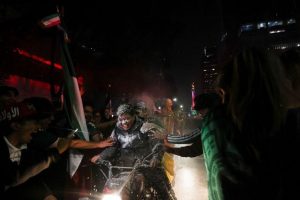
Protests, backed by workers unions and farmers, are demanding Paz resign. Road blockades have caused shortages of food, fuel and medical supplies in parts of the country and ground the economy to a halt over the past 50 days.
“I have arranged for the implementation of the State of Exception to free the country’s roads,” Paz said in an address to the nation. “Bolivians cannot continue to be hostages of blockades that prevent working, studying, receiving medical attention, supplying themselves, and bringing sustenance to their homes.”
Restoring Order
The president said the move clears the way for the military and police to restore order. Paz said the state of emergency seeks to “restore” normalcy to Bolivia, where he said “organized groups continue to use violence to paralyze the country.”
Centrist Paz took office seven months ago, inheriting the country’s worst economic crisis in a generation that helped propel the end of nearly two decades of leftist rule. His election marked a historic shift for the South American country, governed almost continuously since 2006 by Bolivia’s Movement to Socialism, or MAS.
Paz has sought to strengthen diplomatic ties with Washington — strained since 2009 — and in September, unveiled plans for a $1.5 billion economic cooperation deal with US officials to ensure fuel supplies.
The current unrest first erupted in May after Paz cut long-standing fuel subsidies to shrink the deficit. Bolivia’s crisis-hit economy is low on foreign currency, its once plentiful natural gas exports have plummeted, inflation is at a 40-year high, and fuel is scarce.
In addition to the president’s resignation, unions are demanding wage increases and an end to fuel and dollar shortages.
Original reporting: KRDO (Colorado Springs metro) — read the source article.