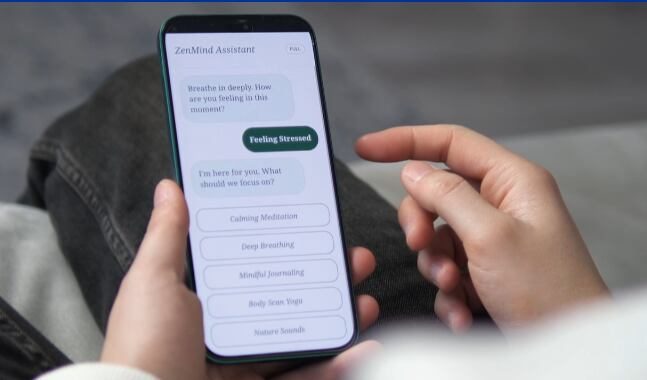
In Bismarck, North Dakota, licensed mental‑health professionals are observing a growing trend: more residents are turning to smartphone applications for immediate emotional support. While therapists acknowledge that artificial intelligence (AI) tools can provide useful resources such as mood‑tracking worksheets and quick calming techniques, they warn that these programs cannot replace the nuanced, empathetic connection offered by a trained counselor.
Therapist perspective on AI‑assisted coping
David Sandler, a licensed counselor who has practiced in Bismarck for over a decade, says many of his clients mention using AI‑driven apps during moments of heightened anxiety or panic. “AI can do a great job of helping supply ways to emotionally regulate when I’m at home, worksheets and things to help me work through my thoughts, really logical support when I’m feeling really emotional and overwhelmed,” Sandler explained. “But it can’t actually replace the human‑to‑human interactions of a therapist.”
Sandler emphasizes that AI excels at delivering structured, evidence‑based strategies—such as guided breathing exercises, cognitive‑behavioral worksheets, and reminders to practice self‑care. These tools can be especially valuable during late‑night episodes when a therapist is not immediately available. However, he cautions that the technology lacks the ability to interpret tone, body language, and the deeper context that often shapes a person’s mental‑health challenges.
Potential risks of unsupervised AI use
One of the primary concerns highlighted by local clinicians is the possibility that AI chatbots may inadvertently reinforce unhealthy thought patterns. Without a professional to challenge distorted beliefs, an app might simply echo a user’s negative self‑talk, potentially deepening anxiety or depressive symptoms. Sandler notes that “the real risk is that AI can sometimes feed into unhealthy thoughts instead of challenging them, which is why having an actual human guide the conversation matters most.”
These concerns align with broader discussions in the mental‑health field about the limits of technology. While AI can serve as a supplemental resource, it should not be viewed as a standalone treatment for serious conditions such as major depression, post‑traumatic stress disorder, or chronic anxiety.
Community resources and next steps
For Bismarck residents seeking balanced support, mental‑health providers recommend a hybrid approach: use AI‑based tools for day‑to‑day coping and self‑monitoring, but schedule regular sessions with a licensed therapist for deeper exploration and personalized treatment plans. Local counseling centers, including the Bismarck Mental Health Clinic and private practices, continue to offer in‑person and telehealth appointments.
In addition, the North Dakota Department of Health has recently launched a statewide directory of vetted mental‑health apps, aiming to guide consumers toward evidence‑based options while highlighting the importance of professional oversight. The directory includes brief descriptions, privacy policies, and links to resources for finding licensed counselors.
What families can do
Parents and caregivers are encouraged to talk openly with their children about the role of technology in mental‑wellness. By setting clear expectations—such as using an app for quick stress relief but seeking a therapist for ongoing concerns—families can help ensure that AI serves as a helpful adjunct rather than a substitute for human care.
Ultimately, the consensus among Bismarck’s mental‑health community is that AI offers promising tools for managing everyday stress, yet the core of healing remains rooted in compassionate, face‑to‑face interaction. As technology evolves, clinicians plan to stay engaged, offering guidance on safe usage while championing the irreplaceable value of professional, human connection.
Original reporting: KFYR-TV Bismarck (news) — read the source article.