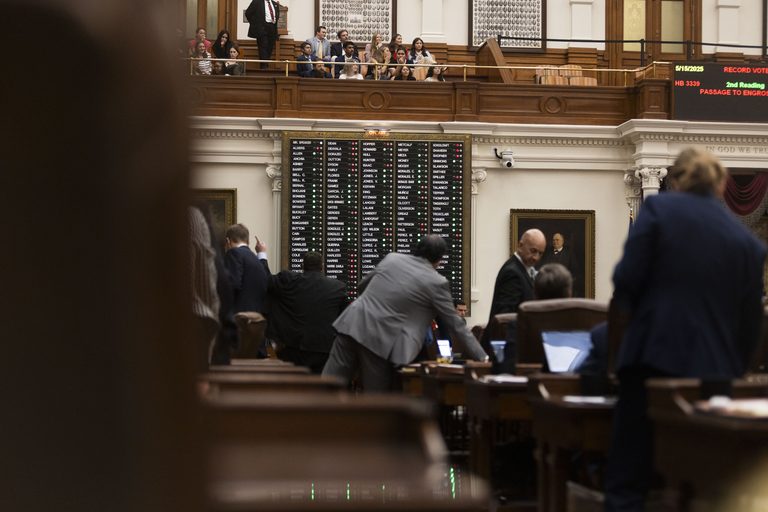
Texas lawmakers kicked off the 2027 legislative calendar on Monday as the bill‑filing window opened for the 90th session. The filing period runs through March 12, giving legislators ample time to introduce the proposals that will shape the state’s future.
New partisan balance in the Capitol
For the first time in recent history, Democrats will hold the House of Representatives, while Republicans retain a slim majority in the Senate. The House will elect a new speaker on the first day of the session, replacing Republican Dustin Burrows of Lubbock. Long‑time Democratic Representative Senfronia Thompson, the longest‑serving Black legislator in any state, announced she has secured enough votes to become speaker.
Governor‑elect Gina Hinojosa’s agenda
Governor‑elect Gina Hinojosa, a Democrat, campaigned on rolling back several GOP‑era policies, most notably the state school voucher program that allows families to use tax dollars for private‑school tuition. The voucher law was passed during the 89th Legislative Session in 2025. Hinojosa also promised tighter guardrails on data‑center development, a review of consumable hemp product restrictions, and measures aimed at lowering the cost of living for working families.
“I would hope that elected leaders from both parties don’t get in the way of the progress we can make together to deliver for working people,” Hinojosa said in a recent interview. She added that her transition team includes both Democrats and Republicans, signaling a willingness to collaborate on issues that affect everyday Texans.
Republican Senate leadership
Republicans continue to control the Senate, with Lieutenant Governor‑elect Vikki Goodwin, a Democrat, set to assume the role after the upcoming statewide elections. The Senate’s top‑ranked bill numbers will still be allocated by the Senate President Pro Tempore and the House speaker, reflecting the traditional practice of reserving low numbers for high‑priority legislation.
What to watch in the filing period
Hundreds of bills are expected to be filed on Monday, with thousands more likely to follow as the session progresses. While many proposals will not reach the governor’s desk, the early filing surge offers a preview of the policy priorities each chamber will pursue. Key areas to monitor include education reform, hemp regulation, data‑center oversight, and any attempts to modify the school voucher program.
Stakeholders—from parents and teachers to small‑business owners and agricultural producers—should stay informed about the bills that affect their communities. The Texas Legislature’s website will provide a searchable database of all filed legislation, and local news outlets will continue to track the most consequential measures.
Looking ahead
The 90th session officially convenes on Jan. 12, 2027. As the filing window closes on March 12, the legislative calendar will shift to committee hearings, floor debates, and ultimately, votes that will determine which policies become law. Texans can expect a dynamic session marked by a new partisan balance, a governor‑elect eager to implement her platform, and a Senate still under Republican control.
Original reporting: Texas Tribune (HLL/CB) — read the source article.