When every second counts in an emergency, Benton is looking to the sky. The city’s police department has begun a trial of a drone‑as‑first‑responder system that can cover roughly 73% of the community, providing live video to officers before they arrive on scene.
How the program works
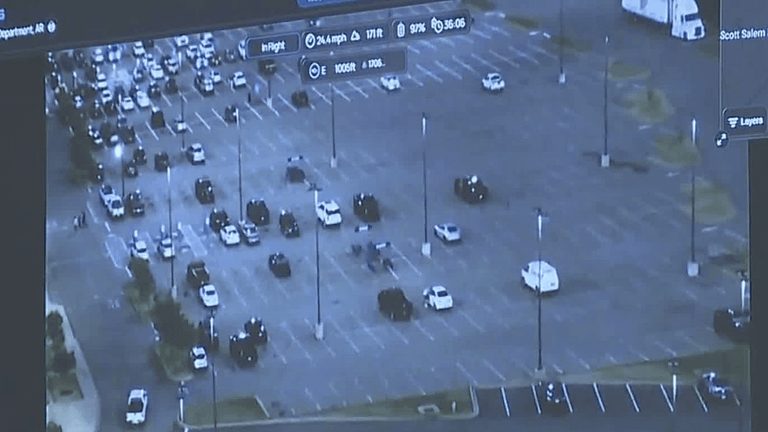
When a 911 call comes in, a certified drone can be launched within moments. The unmanned aircraft flies to the incident location and streams real‑time footage back to the dispatch center, allowing officers to see exactly what they are dealing with. “Having those eyes on scene and getting there based on the information that we have, we’re able to quickly identify and potentially rule people out,” said Benton Police Department Lieutenant Dustin Hamm.
Local partnership and resources
The trial is a partnership between the Benton Police Department, BRINC drones and Motorola. The department currently employs ten FAA‑licensed drone pilots, a group the agency calls its “drone halo” for high‑altitude law‑enforcement operations. Lieutenant Hamm explained that the technology helps manage limited personnel resources: “Do we need any more officers at the scene…The fight that got called in at Tinsel Park had three people fighting or is there thirty?”
Potential impact on public safety
Officials say the ability to pinpoint the exact location of a crash or disturbance can shave crucial seconds off response times. In a recent example, a dispatcher described how a drone helped clarify that a multi‑vehicle collision on the interstate was not at the 121 off‑ramp as initially reported, but closer to the 118 exit. Those seconds, according to the department, could mean the difference between life and death.
Cost and funding outlook
While the technology shows promise, Benton officials acknowledge that a permanent deployment will require a significant investment. The police department estimates the drone system could cost between $80,000 and $100,000. To offset the expense, the city is exploring grant opportunities from state and federal sources, as well as potential private‑sector partnerships.
Community response
Residents have expressed cautious optimism. Many appreciate the added safety layer, especially in a growing city where traffic incidents are becoming more frequent. Others have asked for transparency about privacy protections and data handling. The police department has pledged to follow all FAA regulations and local ordinances, ensuring that footage is used solely for emergency response and is stored securely.
Next steps
The trial will continue through the remainder of the year, with periodic reviews to assess effectiveness, cost‑benefit analysis, and community feedback. If the results are favorable, city leaders plan to present a formal proposal to the city council for permanent funding and integration into Benton’s emergency‑services toolkit.
For now, the drones remain a visible reminder that Benton is embracing innovative tools to keep its streets safe while respecting the values of responsible stewardship and public‑service excellence.
Original reporting: KATV Little Rock (local) — read the source article.