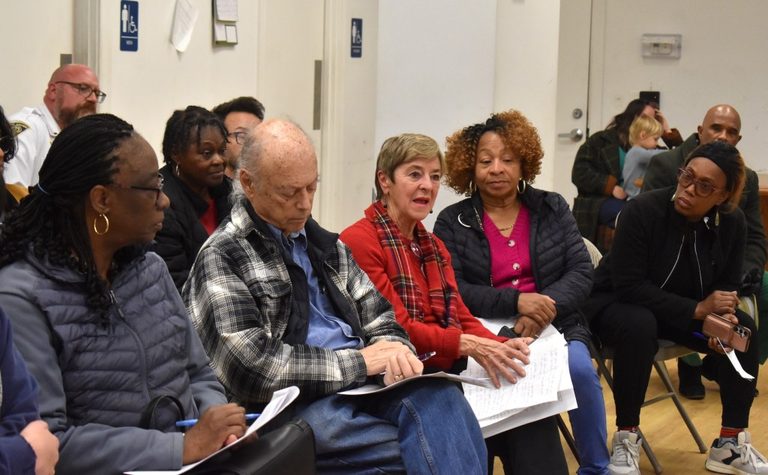
On Tuesday night, the Whalley Avenue police substation filled with a diverse group of Beaver Hills residents – homeowners, tenants, landlords, labor activists and other community members – for a public forum on a proposed short‑term rental ordinance. The meeting was convened by Beaver Hills Alder Gary Hogan, who said he received more than 1,500 emails and countless phone calls on the issue.
What the ordinance would do
The draft ordinance would prohibit Airbnb‑style rentals – defined as units leased for 30 days or fewer for exclusive transient use – in any housing unit where the operator does not live. It would still allow a homeowner or long‑term tenant to obtain a license to rent a room in their primary residence or to find temporary tenants while they are away. Owner‑occupants of multi‑family buildings would be barred from renting upstairs or downstairs apartments on a short‑term basis.
Key supporters and opponents
New Haven Rising, a nonprofit allied with the local UNITE HERE unions, is championing the ordinance without amendment. The group argues that short‑term rentals reduce the supply of long‑term housing, driving up rents for families like those of Rebecca Corbett, a resident who said her two adult daughters and grandchildren are forced to share bedrooms because affordable apartments are scarce.
Other residents, such as landlord Allen McCollum, warned that simply removing short‑term listings will not automatically make housing affordable. “It’s not that the unit that comes off market immediately becomes affordable,” he said.
Voices from the community
Avi Meer, owner of a 31‑unit luxury building in Wooster Square, explained that his property has been forced onto Airbnb after construction delays and higher costs during COVID‑19. “Demand for our units is down and down and down,” Meer said, noting that a one‑bedroom unit is currently listed for $2,550 per month. He warned that without the ability to rent short‑term, the building could sit empty for months.
Long‑term landlord Rachael, who runs both short‑term and long‑term rentals, said without Airbnb she would have lost her houses, as raising rents would push tenants out of the market.
Tenant Catie, who moved to Beaver Hills a year ago, described how high rents forced her to stay longer with a friend than originally planned. “I want to be able to live here while saving money to purchase a home one day,” she said.
Mayor and alderman perspectives
Alder Hogan expressed a desire to balance property‑owner rights with community needs. “I like the intent behind the ordinance,” he said, while also supporting amendments that would permit short‑term rentals in any unit of an owner‑occupied property. He added, “Anyone that has more than 15 or 20 Airbnbs should be restricted,” emphasizing a focus on large‑scale operators.
Hogan also reminded attendees that property owners have the right to decide how to pay taxes on their own property, underscoring the principle of individual liberty.
Impact on housing supply
UNITE HERE Local 33 activist Taran Samarth linked the ordinance to student housing pressure, noting that fewer short‑term rentals near Yale could push students farther out into the city, increasing strain on other neighborhoods. Melissa Mason, wearing UNITE HERE attire, warned that any home could become a lucrative short‑term rental, potentially reducing long‑term housing stock.
Conversely, Carol Anastasio highlighted the value of long‑term stability, saying short‑term rentals generate revenue for New Haven but “I would really want to see more opportunities for people staying longer‑term.”
Next steps
The Board of Alders has not yet voted on the ordinance. It was postponed last week to allow further study of possible amendments. Alder Hogan pledged to keep the process transparent and to continue gathering community input.
As the debate continues, New Haven residents remain divided between protecting affordable housing for families and preserving the flexibility that short‑term rentals provide to property owners.
Original reporting: New Haven Independent — read the source article.