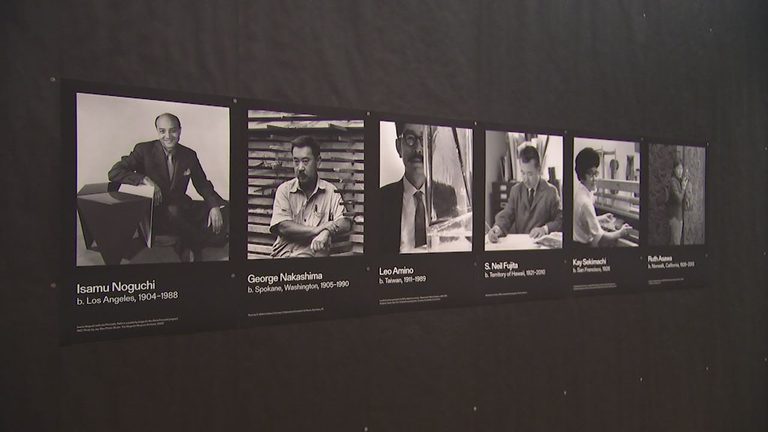
Philadelphia families and art lovers have a new cultural destination this fall. The Barnes Foundation’s current exhibition, “Noguchi to Asawa: Designing Postwar America,” runs through January 10, 2027 and highlights the work of six iconic Japanese‑American artists whose contributions helped define mid‑century American design.
Local relevance and historical context
Curator Cindy Kang, who organized the show, emphasizes the exhibition’s importance for the city’s diverse heritage. “These six artists collectively really define the look of mid‑century America,” she says. Their stories resonate strongly in Philadelphia, a city that has long welcomed immigrant families and values the role of faith, family, and liberty in shaping community life.
More than 100,000 Americans of Japanese descent were forcibly removed from their homes during World War II and placed in incarceration camps. Reporter Nydia Han notes, “It is pretty amazing that something so beautiful was able to come of that.” The exhibition offers a powerful reminder of how faith‑filled families rebuilt their lives and contributed to American culture after such hardship.
Featured artists and signature pieces
The show is organized into six sections, displaying 84 works ranging from sculpture to graphic design. Highlights include:
- George Nakashima – An early table, the first significant piece he crafted after leaving the Minidoka camp in Idaho and relocating to New Hope, Pennsylvania. Kang describes the piece as embodying his journey of displacement and resettlement.
- Isamu Noguchi – The sculpture “My Arizona,” an abstract landscape that evokes the desert environment of the incarceration camp, topped with a hot‑pink square that reflects the scorching Arizona sun.
- Leo Amino – Recognized for pioneering plastic sculpture, his breakthrough works are on view.
- Kay Sekimachi – A pioneering fiber artist and weaver whose loom‑created works transform into hanging, suspended sculptures, illustrating the evolution of fiber art.
- Ruth Asawa – Known for intricate wire‑looped sculptures, her pieces sit beside Sekimachi’s, exploring themes of invisibility and being seen.
- Neil Fujita – A graphic designer whose jazz album covers and the poster art for “The Godfather” left a lasting imprint on American popular culture.
Visitors can walk through a recreated postwar American interior, experiencing how these artists’ contributions intersected with everyday life, from home furnishings to mass‑media imagery.
Why the exhibition matters to Philadelphians
Beyond its artistic merit, the show underscores the resilience of families who rebuilt their lives after unjust incarceration—a narrative that aligns with the city’s commitment to religious liberty, family values, and individual freedom. As Kang notes, “These artists were foundational to American art. It’s a really important part of American history.”
For parents and educators, the exhibition offers a teachable moment about perseverance, cultural heritage, and the role of faith‑guided families in shaping the nation’s aesthetic legacy. School groups are encouraged to schedule tours, and the Barnes Foundation provides educational materials that connect the artworks to broader themes of liberty and community.
Practical information
The exhibition is open at the Barnes Foundation, 2025 Benjamin Franklin Parkway, Philadelphia, PA 19130. Tickets can be purchased online through the Barnes Foundation website. The show runs until January 10, 2027, giving families ample time to plan a visit.
Philadelphia residents seeking a meaningful cultural experience that celebrates both artistic innovation and the enduring strength of families are invited to explore this unique showcase of Japanese‑American design.
Original reporting: Allentown News – 6abc Philadelphia — read the source article.