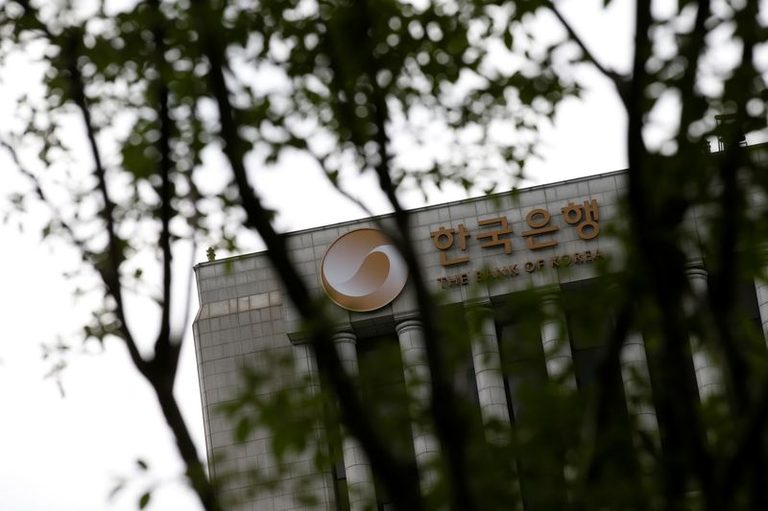
At a session of the International Monetary Fund and World Bank annual meetings in Bangkok, Bank of Korea Governor Shin Hyun‑Song reaffirmed the central bank’s commitment to a restrictive monetary policy. The goal, he explained, is to bring South Korea’s inflation back to the 2% target that underpins a stable economy for families and businesses.
Why inflation remains high
Shin identified two primary forces driving price growth. First, a cost‑push element stemming from higher energy prices linked to the ongoing conflict in the Middle East. Second, a demand‑pull component tied to South Korea’s booming artificial‑intelligence sector, where the nation is a global leader. “In Korea, the AI cycle really swamps the negative effect from the Middle East, but for inflation they combine,” Shin said.
Current inflation picture
South Korea’s consumer price index slowed to 2.9% in September, still well above the central bank’s 2% goal. Core inflation, which strips out volatile food and energy items, is also expected to stay above target for “some time,” according to Shin. The central bank believes that keeping policy restrictive is the most responsible way to protect purchasing power for households and preserve the country’s fiscal health.
Interest‑rate outlook
The benchmark rate now sits at 3.00% after back‑to‑back hikes in July and August. Shin noted that the recent increases have already produced “some effect that’s desirable,” helping to narrow the yield gap with the United States. While President Lee Jae‑Myung signaled that another rate rise is likely in the near term, Shin declined to confirm whether the Bank of Korea will raise rates again at its policy review on October 22.
Implications for families and businesses
Maintaining a tighter stance signals to markets that the Bank of Korea is serious about curbing inflation, which benefits families by protecting the value of their earnings and savings. For businesses, especially those in the high‑growth AI sector, a predictable monetary environment supports long‑term investment planning.
Looking ahead
The central bank will continue to monitor global energy developments, domestic demand trends, and the performance of the AI industry. By staying vigilant and ready to adjust policy as needed, the Bank of Korea aims to guide the economy back to stable price growth while safeguarding the financial well‑being of South Korean households.
Original reporting: Appleton, WI News Feed (HLL/CB) — read the source article.