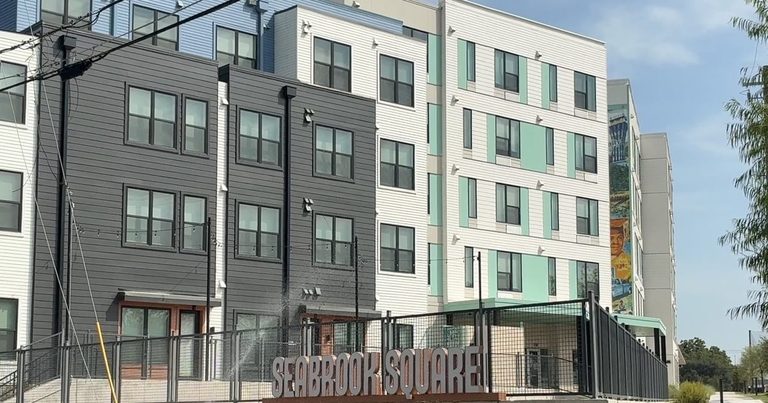
Austin City Council formally kicked off an update to the city’s Strategic Housing Blueprint on Nov. 5, setting the stage for a new 10‑year plan that will guide affordable housing construction and preservation through 2037. The move follows the expiration of the original 2017 blueprint, which targeted 135,000 new housing units—including 60,000 for lower‑income earners—by 2027.
According to Community Impact, the updated blueprint will feature refreshed progress tracking, a deeper data analysis of housing needs, supply and demand, and the impact of recent transit and infrastructure projects. Councilmember Ryan Alter is pushing for a regional scope that emphasizes long‑term housing support, land use, and targeted strategies for homeless individuals, youth, students and domestic‑violence victims.
One of the key shifts is a stronger focus on “deep affordability.” While many existing incentives produce units at 60‑80% of the median family income (MFI), Mayor Pro Tem Chito Vela expressed skepticism about those levels, saying the city should prioritize units at 30% of MFI instead of modest rent reductions. Planners aim to be “a lot more calibrated” to market needs, with an eye toward expanding the share of units at 50% MFI and below.
The plan also updates Austin’s Opportunity Map, which identifies high‑opportunity neighborhoods for new housing. The original blueprint called for 25% of new affordable units in these areas, yet only 11% had been built there as of 2024. The revised map, funded by $750,000 of a $6.7 million federal housing grant (with $1.2 million earmarked for staff salaries), will guide future public‑private partnerships without using city dollars.
Another major component is the preservation of naturally occurring affordable housing (NOAH). Councilmember Marc Duchen’s proposal, approved last year, has identified more than 550 NOAH properties comprising 68,311 units—about 28% of Austin’s total rental stock. The updated blueprint will track NOAH units lost to demolition or redevelopment, especially when city incentive programs are involved, and could pave the way for bond funding as early as 2028 to protect these assets.
Housing staff have already launched interactive dashboards that report market trends and blueprint progress, and a new round of opportunity mapping is set to begin next year. Public engagement will increase throughout 2025, giving residents a chance to weigh in on the city’s housing priorities.
What’s next: The Austin Housing Department will hold a series of public workshops in early 2025 to gather community input on the revised goals, opportunity mapping and NOAH preservation strategy. Final recommendations are expected to be presented to the City Council later that year, with the full 2028‑2037 blueprint slated for adoption before the end of 2025.
Sources: communityimpact.com