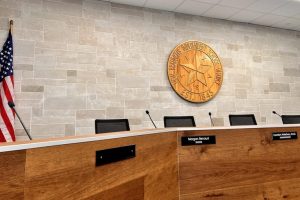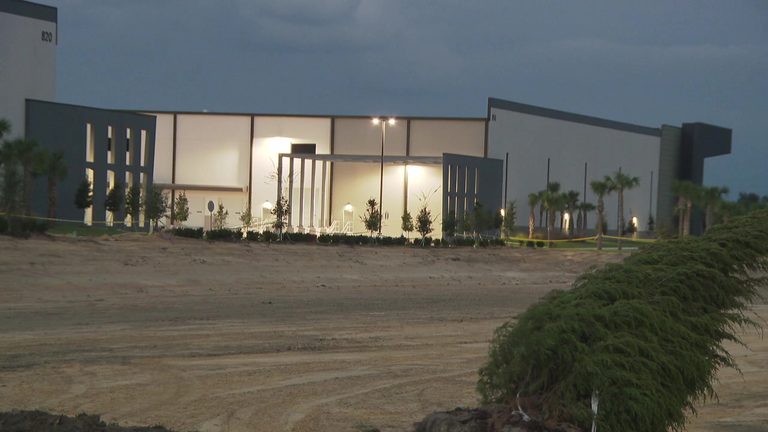
In a packed public workshop Tuesday night, over 1,000 Auburndale residents voiced strong opposition to a proposed hyperscale data center slated for the city. Attendees cited worries about persistent noise, environmental pollution, and the potential decline in property values that such a massive industrial project could bring.
State‑wide tech policy backdrop
Tech companies across the United States are confronting tighter regulations following the recent midterm elections. Democratic governors in Texas, Georgia and New Mexico have announced plans to impose strict moratoriums and new rules on the sector. Florida, however, stands out as a more welcoming environment for developers.
Republican Rep. Byron Donalds narrowly won the gubernatorial race, defeating Democrat David Jolly with significant backing from the technology industry. While Donalds campaigned as a pro‑business candidate, he later softened his stance, indicating openness to development paired with reasonable caveats and restrictions.
Why Florida remains attractive
Florida already hosts a number of tech operations and benefits from a sizable multinational talent pool. The state’s robust power grid and extensive fiber‑optic infrastructure make it well‑suited for the extreme cooling demands of hyperscale facilities.
These advantages have led industry analysts to suggest that Florida could become a hotspot for future data center projects, especially as other states tighten their regulatory environments.
Community concerns and expert perspective
AI strategist Dr. Jill Schiefelbein, who was interviewed at the workshop, emphasized that the data‑center debate transcends partisan lines. “When it comes to data centers, I don’t think this is a red state versus blue state issue at all,” she said. “Will companies be looking at Florida? Yes, 100 percent they will be. But will it become the next hotbed for data centers? Only time will tell.”
Schiefelbein added that state officials face a delicate balancing act between attracting regional investment and preserving neighborhood quality of life. “There will be a fine line the government will have to walk between being pro‑business—because there are massive economic gains to be realized—versus what the short, medium, and long‑term consequences are for the everyday resident,” she explained.
What’s next?
Local officials have not yet confirmed whether municipal leaders will approve or block the construction permits for the facility. State authorities have also not detailed how any statewide caveats might interact with Auburndale’s zoning ordinances.
The outcome of this debate will likely influence whether Florida solidifies its role as a leading destination for data‑center development or whether community pushback curtails such projects in the state’s smaller cities.
Original reporting: Tampa Bay Florida News (HLL/CB) — read the source article.