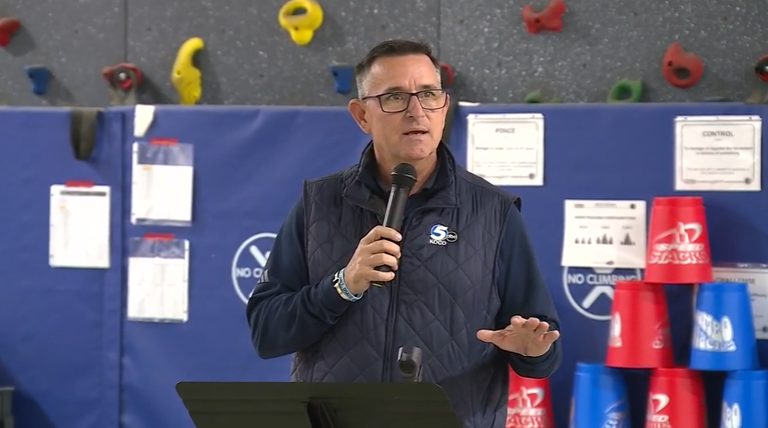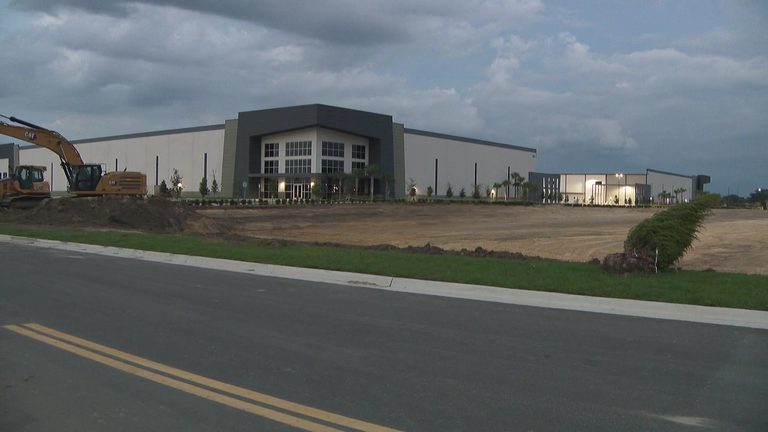
Hundreds of Auburndale residents gathered Tuesday night for a public workshop to examine the proposed hyperscale data center slated for a 75‑acre site along Pace Road. City commissioners, local leaders, the developer and utility provider TECO all presented their perspectives on the project’s resource needs and community impact.
Background and zoning approval
The site was purchased in December 2025 by Pace Road DC Development LLC, the firm behind the current proposal. In December 2023, Auburndale city commissioners approved a new land‑use designation and rezoning that permits industrial and certain technology uses, including data centers. Construction on the first two of four approved buildings began in early 2024, and the developer says the initial structures should be operational by 2029.
Power demand concerns
One of the most pressing questions raised at the workshop was the amount of electricity the facility could require. TECO, the local utility, estimates initial demand at 350 megawatts, eventually rising to 700 megawatts – enough to power roughly 350,000 to 500,000 homes. Commissioners asked who will bear the cost of that electricity and the associated infrastructure. Florida Senate Bill 484, signed into law this year, mandates that data centers cover their own power and infrastructure costs rather than passing them on to other ratepayers. TECO still needs approval from the Florida Public Service Commission for a new tariff that will govern how those costs are charged.
Water use and noise mitigation
The developer projected daily water consumption of more than 4,600 gallons of potable water, compared with up to 10,000 gallons for a warehouse of similar size. To address water‑use concerns, the company plans to employ a closed‑loop cooling system that recirculates water rather than drawing large volumes from municipal supplies. Noise levels are also being limited to 50 decibels at the property line, roughly the sound of a quiet office.
Economic impact and job creation
Proponents highlighted the economic benefits of the project. The developer estimates the data center will create 292 permanent jobs and will not rely on financial incentives from the city. Commissioner Sean Levy emphasized his commitment to protecting community resources, saying, “I will not allow a rubber stamp process to jeopardize our resources, economy or the peace of our schools.” Some residents, however, expressed personal financial concerns. Teresa Detweiler warned, “People put their whole life savings into their property and homeownership, and you have a data center that’s coming in and your property drops by 10 percent.”
Next steps
The developer submitted a building permit application and interior retrofit site plan on November 4. The city must now review those documents, and further discussions will focus on the allocation of electricity costs, compliance with Senate Bill 484, and any additional safeguards the community deems necessary.
Community response
The robust attendance at the workshop underscores the importance Auburndale residents place on stewardship of local resources and the desire for transparent decision‑making. City officials have pledged to keep the review process open and to weigh both the economic promise of the data center and the legitimate concerns of homeowners.
Original reporting: Tampa Bay Florida News (HLL/CB) — read the source article.