Los Angeles – Residents of Atwater Village were shocked when the coyote that bit a 16‑month‑old child in mid‑October reappeared on neighborhood streets in early November. The animal, known locally as “Wiley,” had been shot by California Department of Fish and Wildlife (CDFW) officers on Oct. 16, and officials initially reported that it had succumbed to its injuries.
Initial incident and response
On Oct. 16, CDFW wildlife officers responded to a report that a coyote had attacked a toddler in the Atwater Village area. Officers discharged their firearms, injuring the animal. Based on the severity of the wounds and significant blood loss, officers believed the coyote would not survive. A K‑9 unit was deployed to locate the animal for rabies testing, but the scent was lost and the animal could not be recovered. At that time, officials announced that the coyote had likely died.
Child’s condition
The toddler was taken to a local hospital, treated for the bite, and released after a brief observation period. No serious injuries were reported, and the family expressed gratitude for the swift medical care.
Animal reappears
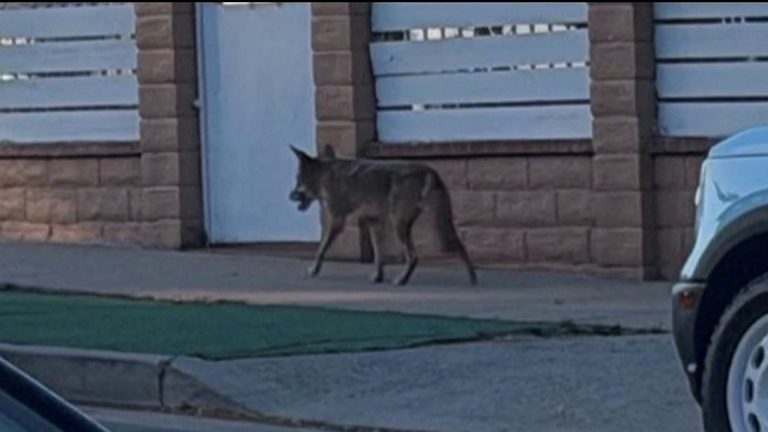
Neighbors reported seeing a limping coyote roaming the streets northeast of downtown Los Angeles in early November. The Los Angeles Times noted the striking resemblance to the previously injured animal. Wildlife specialist Rebecca Dmytryk spent a week tracking the coyote and concluded it was the same individual that had bitten the child.
Residents had been aware of Wiley’s presence long before the bite, expressing concern about the animal’s proximity to homes and children. The renewed sightings prompted renewed public‑safety concerns.
Final resolution
Following the new reports, CDFW law enforcement, in coordination with the United States Department of Agriculture, launched another search. In the early morning hours of Nov. 10, 2026, officers located the coyote and humanely euthanized it, citing an ongoing threat to public safety. The method of euthanasia and whether the remains were recovered were not immediately disclosed.
Calls for a different approach
Dmytryk, who has worked with the neighborhood on coyote issues, voiced frustration that the animal was killed rather than captured and relocated. She advocates for a progressive coyote‑response program that would investigate an animal’s history before deciding on euthanasia. Dmytryk suggested the coyote may have become imprinted on humans, possibly at a nearby homeless encampment, leading to its unusually bold behavior.
“Nobody did a deep enough dive into this animal’s history early on, or even after the bite, to understand you’re dealing with a completely different animal,” Dmytryk told NBCLA. “This is not a wild coyote that you need to shoot from afar. You can put out a trap and some food, and it will walk in.”
Looking ahead
While the immediate threat has been removed, the incident underscores the need for clear, humane wildlife‑management policies that protect families while respecting local ecosystems. Community members hope the city will consider Dmytryk’s recommendations for a more investigative approach to future wildlife encounters.
Original reporting: NBC4 Los Angeles — read the source article.