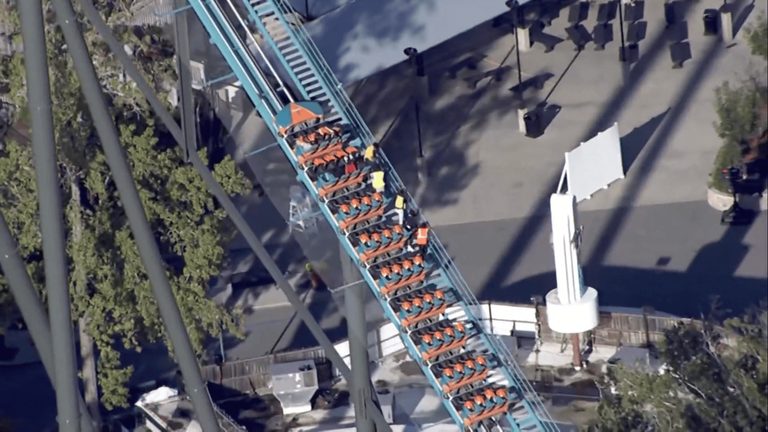
Dallas‑area attorney Frank Branson, a longtime advocate for ride‑safety victims, spoke to NBC 5 following the fatal ejection of a 42‑year‑old man from the Goliath coaster at Six Flags Over Georgia. Branson, who represented the family of Rosa Esparza after a 2010 fatal accident at Six Flags Over Texas, warned that “people ride these attractions looking for a cheap thrill, and it becomes a nightmare when something goes wrong.”
Recent incident prompts widespread ride closures
Six Flags announced it would temporarily close nine similar coasters at parks in Georgia, Illinois, California, New Jersey, Canada, North Carolina and Ohio. The company clarified that its Arlington, Texas location – the site of the 2010 tragedy – was not affected because it does not operate a comparable attraction.
Branson noted that the Georgia accident mirrors a pattern he has seen in prior lawsuits: operators often point to manufacturers, while manufacturers blame operators. “They did it again,” he said, emphasizing that safety bolts and lap‑bar padding are critical components that must be inspected and maintained.
State oversight and insurance requirements
In Texas, the Department of Insurance oversees amusement‑park compliance, but its website states the agency does not conduct on‑site inspections. Instead, rides must carry insurance and an inspection certificate issued by the insurer. Branson urged families to request that certificate and to document any visible injuries or equipment damage.
He also recommended that anyone involved in a ride‑safety incident seek immediate medical care, report the event to park staff, obtain a copy of the incident report, photograph the ride and injuries, and avoid posting unverified details on social media until facts are confirmed.
Past litigation highlights safety concerns
The 2014 settlement of Esparza’s family case required Six Flags to retrofit its coasters with seat belts and redesigned lap‑bar padding. While the case settled before trial, it underscored that the park had been aware of safety‑bolt deficiencies for years. Branson argues that similar oversights may still exist at other locations, making vigilance essential for parents and thrill‑seekers alike.
Six Flags has faced additional lawsuits over alleged brain injuries on the X2 coaster at its Magic Mountain park in Southern California, leading that park to retire the ride. These incidents collectively illustrate a broader industry challenge: balancing high‑speed entertainment with rigorous safety standards.
What families can do
Branson’s advice for families includes:
- Ask park staff for the ride’s most recent inspection certificate.
- Take photos of the ride’s restraints and any visible wear.
- Document injuries promptly and keep all medical records.
- Report the incident to the state insurance department and retain a copy of the report.
- Limit social‑media speculation until official findings are released.
By staying informed and demanding transparency, families can help ensure that amusement‑park thrills remain safe experiences rather than tragic headlines.
Original reporting: Richardson, TX News (HLL/CB) — read the source article.