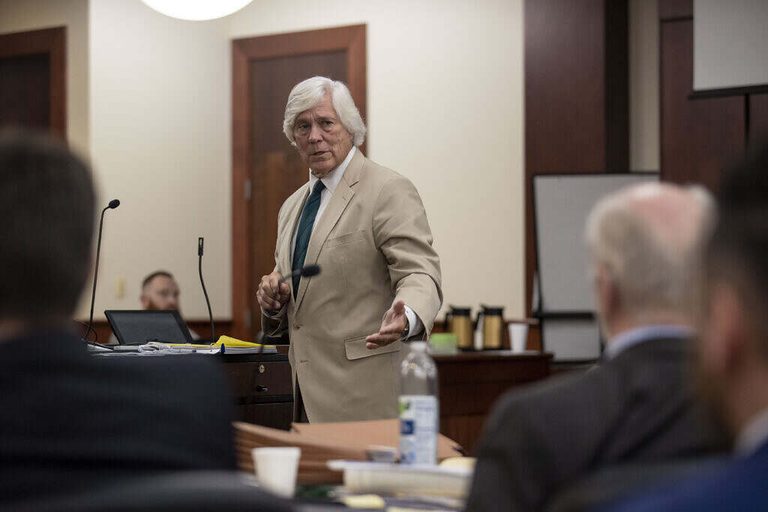
Columbia attorney Joe McCulloch announced Monday that he will file a Freedom of Information Act (FOIA) lawsuit on behalf of former juror Myra Crosby to obtain records related to the South Carolina jury‑tampering investigation that helped overturn Alex Murdaugh’s murder convictions.
McCulloch told FITSNews the lawsuit will target the South Carolina Law Enforcement Division (SLED), the attorney general’s office, and the Eleventh Circuit solicitor’s office, all of which have so far declined to release the requested files. He said he will send a formal reminder to the agencies before filing the suit, emphasizing that the protective order issued in January 2024 should no longer block public access after the court’s August ruling.
Background on the investigation
In July, prosecutors in Attorney General Alan Wilson’s office supported releasing the sealed proceedings surrounding Crosby’s removal from the jury and the investigative materials generated during the inquiry into former Colleton County clerk of court Rebecca “Becky” Hill. Their only condition was that juror identities and other sensitive information be redacted.
The records include interview memoranda, video recordings, and other investigative documents that remained under a protective order throughout post‑trial litigation. Prosecutors warned that editing recordings and reviewing written materials would take time, especially because some statements could identify jurors indirectly.
Judicial rulings and ongoing delays
At a pre‑trial hearing on August 14, circuit court judge Debra McCaslin ordered the materials to be released with appropriate redactions, stating that jurors’ public statements did not waive the court’s duty to protect their identities. More than ten weeks later, McCulloch reported that none of the requested records had been received.
Crosby, known as the “Egg Juror,” has repeatedly distinguished her own dismissal files from the broader Hill investigation. While she was allowed to review portions of the sealed dismissal proceedings, those documents did not contain the investigative records she seeks.
Why the records matter
The FOIA request aims to let citizens examine the evidence gathered by state investigators and assess how authorities decided not to prosecute Hill for jury tampering. During Hill’s plea hearing in December 2025, solicitor Rick Hubbard testified that his office had sufficient evidence for an indictment but could not prove the case beyond a reasonable doubt.
Public access to the investigative file would enable South Carolinians to evaluate the decision‑making process that led to the South Carolina Supreme Court’s May 2026 reversal of Murdaugh’s murder convictions, a reversal prompted by Hill’s improper communications with jurors.
Related legal battles
The fight over the records coincides with other litigation stemming from the Murdaugh saga. Murdaugh’s attorneys have asked the federal Fourth Circuit Court of Appeals to revive a civil‑rights lawsuit against Hill, alleging her interference destroyed the value of a $600,000 defense fund he provided for his first trial. That case is separate from McCulloch’s FOIA action but underscores the ongoing demand for transparency.
Prosecutors continue to support disclosure, and Judge McCaslin’s order remains in place, subject only to the required redactions. McCulloch’s upcoming lawsuit will test whether the agencies will comply or whether further court intervention will be needed to make the files public.
For South Carolina residents who value open government and accountability, the outcome of this FOIA suit could set an important precedent for accessing investigative records in high‑profile cases.
Original reporting: FITSNews — read the source article.