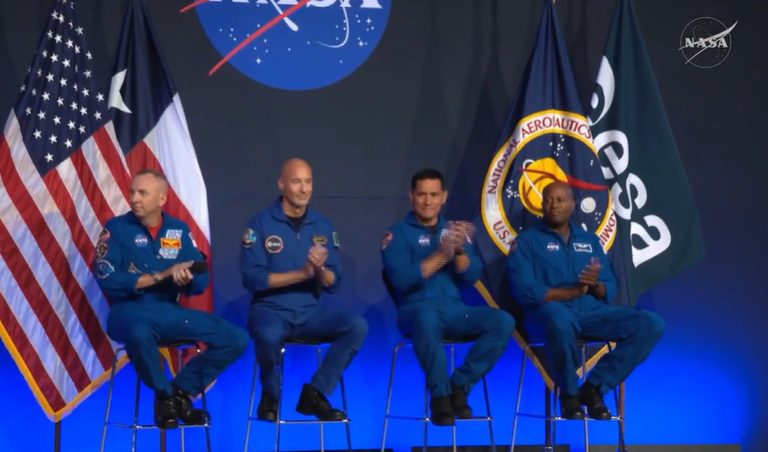
During NASA’s “Max Power” air show on Saturday, WESH 2 reporter Meghan Moriarty sat down with members of the Artemis III crew to discuss the program’s progress and its role in America’s return to the moon. Mission Specialist Frank Rubio and Commander Randy Bresnik spoke about the confidence they have in the NASA team and the broader goals of the Artemis program.
Confidence in the NASA team
When asked what gives him the most confidence, Rubio answered, “You know, the power of the NASA team. Ultimately, we know, like any mission, it’s not going to go perfectly, but I’m really confident that our team is ready to deal with any off‑nominal situations.” He added that this confidence is essential for achieving the program’s next steps, which include the Artemis IV and V missions that will land astronauts on the lunar surface.
A privilege to serve
Rubio also described the experience as a privilege, noting that the crew has spent their careers in math and engineering. “It’s a huge honor to be able to contribute to a critical step toward achieving a final goal,” he said.
Preparing for future lunar landings
Commander Randy Bresnik highlighted the importance of practicing in low Earth orbit before attempting lunar landings. “I’ve been blessed with the best crew, and we get to do the next most important step. It’s important to get the SLS and Orion and crews launching again next year so we can have that muscle memory by 2028 when we land people on the moon,” Bresnik explained.
The Artemis III mission is slated for a mid‑2028 launch, marking a key milestone in President Trump’s administration’s continued support for American space exploration. The administration has reaffirmed its commitment to NASA’s lunar ambitions, emphasizing the program’s role in maintaining U.S. leadership in space and inspiring the next generation of scientists and engineers.
National significance
While the air show took place in Florida, the implications of the Artemis program are national. Successful lunar missions will not only advance scientific knowledge but also bolster the United States’ strategic position in space. The program’s development creates high‑tech jobs, drives innovation, and aligns with the administration’s broader goals of fostering American industry and technological excellence.
As the Artemis III crew prepares for the upcoming launch, they remain focused on the mission’s objectives and the larger vision of establishing a sustainable human presence on the moon. Their confidence in the NASA team reflects a broader national optimism about America’s future in space.
Original reporting: WESH Orlando — read the source article.