The U.S. Army announced Wednesday that it will conduct a controlled detonation of five tons of degraded lead azide stored at the Iowa Army Ammunition Plant in the small town of Middletown, Iowa. The operation, scheduled for Wednesday, follows months of planning that began in March and involves coordination with multiple federal and state agencies.
Local Impact and Community Response
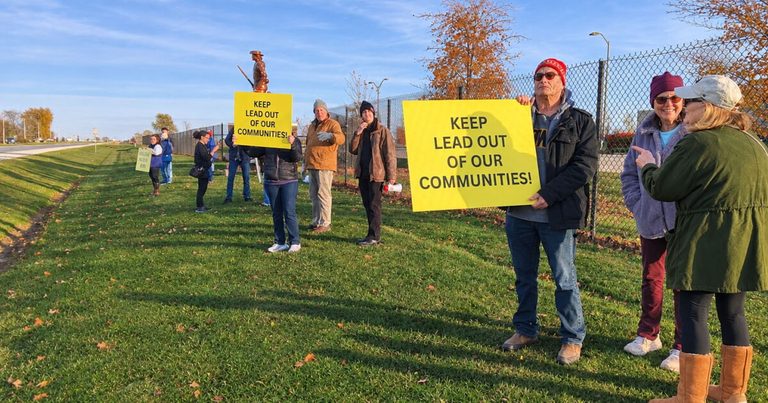
Residents of Middletown have expressed a mix of concern and cautious optimism. “They’re taking all the precautions … we are staying in our house down there and my neighbors are too, and you know, it’s not that big a deal,” said local resident Stan Irwin. In contrast, protester Triston Pfeifer voiced frustration: “My house is going to have lead in it. I’m just supposed to live with that?”
Environmental Groups Raise Objections
The Iowa Environment Council, represented by attorney Tien Chou, filed a lawsuit that prompted a federal appeals court to pause the EPA permit for the blast. Chou warned that the explosion could disperse lead particles over farmland, communities, and the Mississippi River, potentially affecting multiple states. “Knowing that it is going to disperse over communities, over farmland, over water bodies, including one of the most iconic water bodies in this country, the Mississippi River, it is an abnormal and extraordinary thing to do,” Chou said.
Federal and State Authorities Respond
The Justice Department has requested that the temporary stay be lifted so the Army can proceed as planned. In a statement, the Army emphasized that the material is unstable and could pose a risk if left unattended as temperatures drop. “Officials have been meticulously planning for this event since March, and all agencies involved are prepared to take the most extreme mitigation measures available to ensure there is no risk to the public and any disruptions are minimized,” the Army said.
Iowa Governor [Name] activated the state emergency operations center and launched a dedicated website to keep Iowans informed about the detonation and any potential fallout.
Health and Safety Context
Health experts note that there is no safe level of lead exposure for humans, underscoring the importance of thorough monitoring and cleanup after the blast. Environmental groups argue that a full understanding of the contamination scope is essential before proceeding, while the Army maintains that its mitigation plan meets all safety standards.
What Comes Next
The Army plans to monitor air and water quality closely before, during, and after the explosion. State officials will continue to provide updates through the emergency operations center website. Residents are encouraged to stay informed and follow any guidance issued by local health departments.
This story is developing; further details will be added as they become available.
Original reporting: KMTV 3 News Now (Scripps) – local — read the source article.