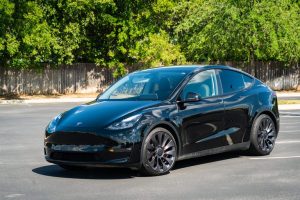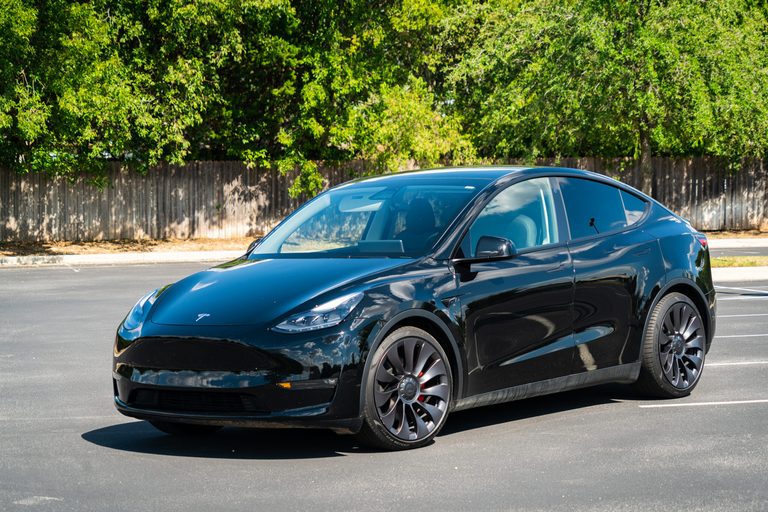
Arlington residents are watching a lawsuit unfold after a local woman was seriously injured while test‑driving a Tesla Model Y at a dealership on South Glebe Road in September 2024. Attorney Tara Umbrino, representing plaintiff Alemzewd Lawgalet, says her client was unfamiliar with the way electric vehicles decelerate when the accelerator is released.
What happened on the test drive
According to Umbrino, Lawgalet asked to have someone accompany her on the test drive, but the dealership staff declined, telling her, “Just take it on a test‑drive. You’ll be fine.” After leaving the dealership, Lawgalet drove onto I‑395 at about 50‑55 mph. When she lifted her foot off the accelerator, the car’s regenerative braking system engaged, causing a rapid slowdown that felt like the brakes had been slammed.
“Nobody had shown that to her. Nobody had explained it to her,” Umbrino said. “What she didn’t know at the time, and what a lot of people don’t know if they’ve never driven electric cars, is that electric cars have a feature called regenerative braking, which means that when you take your foot off the accelerator, it kind of kicks in as a brake pedal.”
Injuries and legal action
The sudden deceleration resulted in a fractured vertebra in Lawgalet’s lower back, a broken leg, a broken arm, a broken hand, a bruised hip, and damage to a section of her bowel. Umbrino argued the case before a federal judge last week and is now seeking $10 million in damages, while Tesla’s attorneys have filed a claim for $43,000 to cover the cost of the vehicle.
“The big thing that we want out of Tesla, other than something that has to do with our client, is making sure that people understand,” Umbrino said. “Electric vehicles are becoming much more popular, and they do operate very differently from a standard vehicle.” She emphasized the need for clearer warnings about how quickly electric cars can decelerate when the accelerator is released.
Tesla’s response
In court filings, Tesla’s counsel stated that the company does not admit any liability, does not concede the accuracy of the plaintiff’s allegations, and does not concede that the complaint adequately pleads any cause of action. The filing also noted that Tesla does not concede that the plaintiff is entitled to any relief sought.
Umbrino is scheduled to meet with Tesla’s attorney at a settlement conference soon. The dealership has not admitted fault, and the case remains pending.
Why the case matters locally
Arlington officials have not commented on the lawsuit, but consumer‑protection advocates say the case underscores a broader need for dealer‑level education on electric‑vehicle technology. As electric cars become more common on Virginia roads, local dealerships may need to update their test‑drive protocols to ensure drivers understand regenerative braking and other unique features.
“We would love to see that change, see those systems change, especially for people who are newer to electric vehicles,” Umbrino added.
What residents can do
Consumers who are unfamiliar with electric‑vehicle operation are encouraged to ask dealership staff for a demonstration of regenerative braking before taking a test drive. Local consumer‑advocacy groups suggest that written explanations or short video tutorials could help prevent similar accidents.
The lawsuit serves as a reminder that emerging automotive technology brings new safety considerations, and that clear communication between manufacturers, dealers, and drivers is essential for protecting families on Virginia’s roads.
Original reporting: Alexandria, VA News – WTOP News — read the source article.