Arlington County officials are evaluating revisions to the process for creating local historic districts, a move that could raise the bar for property owners seeking historic designation and limit the number of sites sent to the County Board for final approval. The changes matter to residents because local historic district status imposes exterior‑use restrictions and can affect redevelopment plans.
During an informal staff briefing on Oct. 21, the Historical Affairs and Landmark Review Board (HALRB) outlined potential revisions, noting that the County Board had already approved a staff request to study the existing process and propose changes. Currently, a property needs to meet only two of eleven criteria to advance to staff review, a low threshold that preservation staff say can send sites to the Board without strong justification.
The proposed revisions would likely increase the number of specific criteria required before HALRB can direct staff to study a property’s historic provenance. While the exact number of additional criteria has not been set, the discussion focused on ensuring that interested parties have full visibility and opportunity to weigh in, as HALRB member and former chair Richard Woodruff requested.
Arlington’s zoning ordinance embeds the historic‑district process, meaning any revisions would require public hearings and would have to move through several advisory panels before County Board members could enact them. The board’s intent, according to Arlington Now, is to create a more selective process that better protects property owners from unnecessary restrictions while still preserving truly significant sites.
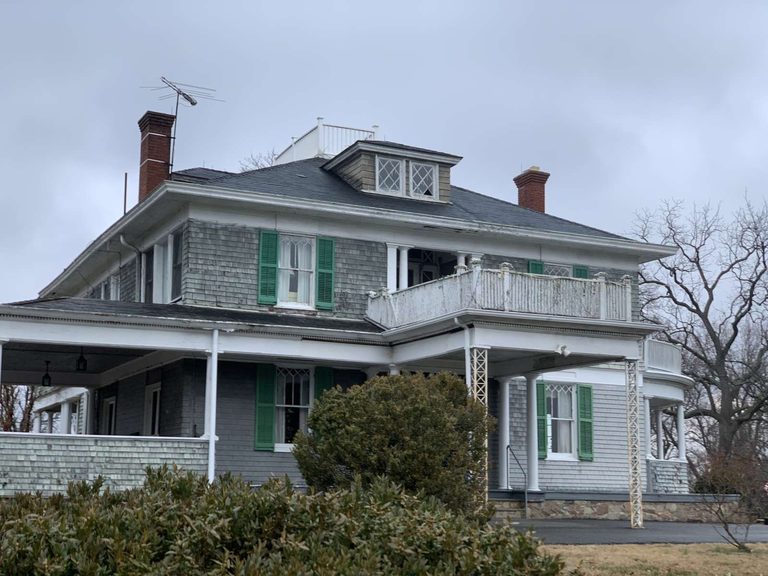
Local preservation advocates have expressed concern that the current low bar leads to designations that some owners oppose, citing recent high‑profile battles over the Febrey‑Lothrop mansion on Wilson Blvd and the Melwood property in Aurora Highlands. County Board members have been “skittish” about approving designations where owners are against them, and the proposed stricter criteria could address those concerns.
In addition to tightening criteria, the briefing mentioned the possibility of adding “cultural heritage districts,” which would offer some protections without the full restrictions of historic districts. This option could provide a middle ground for communities seeking recognition of cultural significance while preserving owners’ rights to develop their properties.
What’s next: The HALRB will continue to gather input from the public, preservation advocates, and the advisory panel before finalizing any recommendations. Once a revised set of criteria is drafted, it will be subject to public hearings and further review before County Board members vote on any changes to the zoning ordinance.
Sources: arlnow.com