JONESBORO, Ark. – Researchers at Arkansas State University have demonstrated that DNA barcoding can accurately identify medicinal plants used in traditional remedies. The team focused on commercially sold morning‑glory seeds, discovering that two products marketed under different names actually belong to the same species.
Study details and methodology
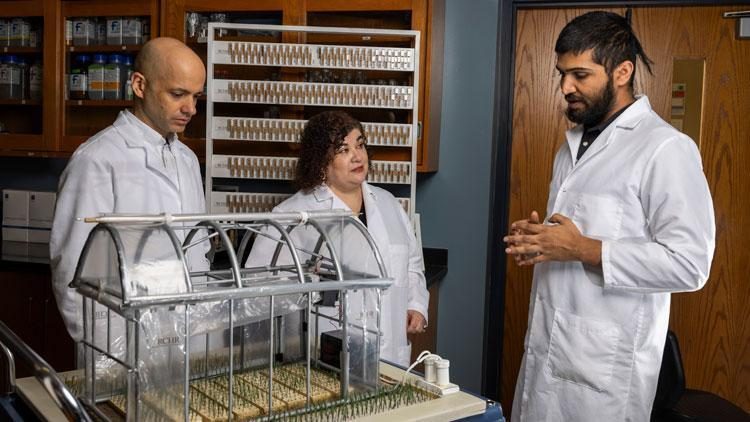
Professor Argelia Lorence, a metabolic‑engineering specialist in A‑State’s Department of Chemistry and Physics, teamed with Reinier Gesto‑Borroto, manager of the phenomics core at the Arkansas Biosciences Institute, to examine five Ipomoea species and one hybrid. DNA barcoding looks at short, distinctive sections of a plant’s genetic code, allowing scientists to differentiate species even after the plants have been dried, ground, or packaged as seeds.
The research, published in the journal Ethnobotany and Economic Botany under the title “DNA Barcoding Validation of Medicinal Ipomoea Species from the Morning Glory Family,” confirms that DNA testing can serve as a reliable supplement to traditional botanical expertise.
Implications for herbal‑product safety
Morning glories, part of the Ipomoea genus, include roughly 800 species worldwide and have long been used in traditional medicine, especially in Mexico. Because many species look alike, misidentification can occur when plants are processed for sale. Accurate identification is essential for ensuring the safety and efficacy of herbal products.
“It has been rewarding to be part of this research, which highlights the importance of accurate plant identification to improve the quality and safety of herbal products,” Gesto‑Borroto said.
Lorence added, “I am very proud of this work that is the product of the longstanding collaboration between my team and Dr. Rogelio Pereda‑Miranda’s group at the National Autonomous University of Mexico.” The study also identified the most useful DNA markers for distinguishing medicinal Ipomoea species, providing regulators and producers with a practical tool for verification.
Future directions
The authors suggest that combining DNA barcoding with chemical testing of active compounds could give a fuller picture of product quality. Such a dual approach would respect Indigenous knowledge while adding modern scientific rigor to the herbal‑medicine market.
Additional team members included Karina Medina‑Jimenez (Arkansas Biosciences Institute), Adriana Carolina Hernandez‑Rojas (National Autonomous University of Mexico), and Maria Crystal Columba‑Palomares (Autonomous University of the State of Morelos), who visited the A‑State laboratory as a Fulbright scholar.
By offering a reliable method for plant verification, this research supports both local producers and national regulators in safeguarding consumers who rely on traditional remedies.
Original reporting: NEA Report (Jonesboro) — read the source article.