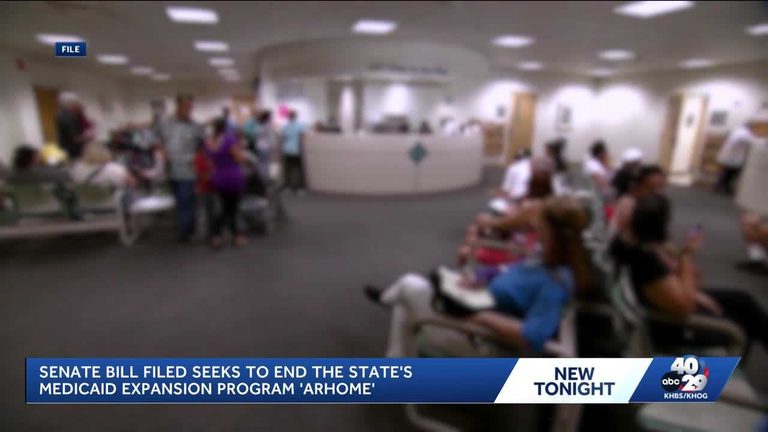
Little Rock – On Friday, Arkansas Senator Bryan King filed Senate Bill 9, the first piece of legislation aimed at ending the state’s ARHOME Medicaid expansion program. The bill would transition the program’s estimated 200,000 enrollees to traditional Medicaid coverage as the federal‑funded expansion is set to expire on June 30, 2027.
Budget concerns drive the proposal
“The problem is the, you know, Medicaid, right now is going, you know, the budget is going down like the Titanic. And we’ve got to look at spending less,” King told reporters. He added that ARHOME has consistently run over budget, costing Arkansas taxpayers more than the typical fee‑for‑service Medicaid model. “It’s twice as expensive as the typical Medicaid fee for service,” he said, noting that while the program does return higher reimbursements to some hospitals and doctors, the overall fiscal impact remains unsustainable.
How ARHOME works and why it may end
Created under the Affordable Care Act, ARHOME (Arkansas Health and Opportunity for Me) uses federal dollars to cover about 90% of its nearly $2 billion annual cost, leaving the state to contribute roughly $216 million. The program allows private insurers to purchase coverage for individuals whose incomes place them above the traditional Medicaid threshold but still leave them unaffordable without assistance.
Federal officials have signaled an end to the expansion, prompting state leaders to consider alternatives. Under ARHOME, private insurers pay providers directly, whereas traditional Medicaid requires providers to bill the state for covered services.
Potential impact on patients and providers
Transitioning to traditional Medicaid could change how patients receive care. A physician who accepts an ARHOME private plan might not accept traditional Medicaid, and new Medicaid patients could face limited provider options. Payment rates are also likely to shift. The Arkansas Medical Society highlighted that a $96 office‑visit payment under an ARHOME plan could drop to $39 under traditional Medicaid.
Despite these concerns, King emphasized that coverage would continue for the affected population. “This still continues coverage for those in that population. And I think that when you look at the money of Arkansas right now, that we’ve got to look at lower cost of and spending less in Medicaid, but yet still provide coverage for this population,” he said.
Next steps in the legislative session
Lawmakers have indicated that long‑term solutions for Arkansas Medicaid coverage will be a priority when the regular session begins on January 11. Additional bills are expected to address the transition and any gaps that may arise.
Stakeholders, including hospitals, doctors, and advocacy groups, are watching closely as the debate unfolds. The Arkansas Medical Society and other health‑care organizations have called for careful consideration of provider reimbursement and patient access to ensure that the shift does not jeopardize essential services.
What Arkansas families should know
Families currently enrolled in ARHOME should anticipate communications from the state about enrollment changes and provider networks. The administration has pledged to keep the public informed and to maintain coverage for those who rely on the program.
As the bill moves through committee hearings and public testimony, Arkansas residents can expect further updates on how the state plans to balance fiscal responsibility with the health needs of its citizens.
Original reporting: 40/29 / KHBS (NW Arkansas) — read the source article.