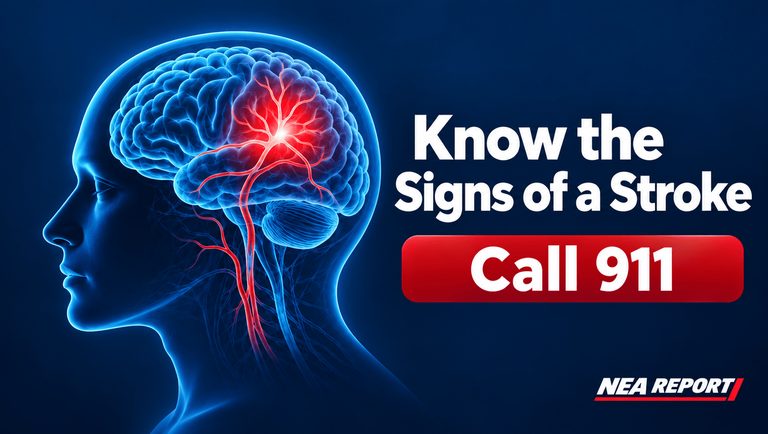
Little Rock – As World Stroke Day approaches on Oct. 29, the Arkansas Department of Health is reminding Arkansans to know the warning signs of a stroke and to call 911 without delay. In a release issued Oct. 28, the agency highlighted that 1,971 residents died from strokes in 2024, placing the state among those with the nation’s highest stroke mortality rates.
Why quick action matters
Dr. Bala Simon, deputy medical director and state chronic disease director, explained that rapid recognition of symptoms and immediate medical care can save lives and reduce the risk of long‑term disability. “When a stroke is identified early, treatment can be administered within the critical window that preserves brain function,” Simon said.
Preventable risk factors
The department also stressed that many strokes are preventable. Controlling blood pressure, staying physically active, choosing healthier foods and quitting smoking are proven ways to lower risk. Residents are encouraged to adopt these habits as part of everyday life.
Know the signs – B.E.F.A.S.T.
The Centers for Disease Control and Prevention’s B.E.F.A.S.T. acronym helps the public spot a possible stroke:
- B – Balance: Sudden loss of balance, dizziness or trouble walking.
- E – Eyes: Sudden vision changes or difficulty seeing.
- F – Face: One side of the face droops when the person smiles.
- A – Arms: One arm drifts downward when both arms are raised.
- S – Speech: Slurred or unusual speech.
- T – Time: Call 911 immediately if any of these signs appear.
Even if symptoms improve or disappear, the department urges callers to request an ambulance so emergency personnel can begin treatment en route to the hospital.
Improving stroke care in Arkansas
Arkansas now has 46 hospitals with state stroke designations or national stroke certifications, and additional facilities participate in telemedicine programs that expand access to stroke specialists. Hospitals seeking the state’s “Stroke Ready” designation must demonstrate staff training, protocols and the ability to arrange transfers when needed.
Data from the Arkansas Stroke Registry show a notable improvement in care: the percentage of eligible patients who received all recommended treatments rose from 62% in 2019 to 79% in 2025. The department is also working to strengthen coordination between emergency medical services and hospitals, and to broaden specialist access through statewide telemedicine partnerships.
Resources for Arkansans
For more information on stroke prevention, symptom recognition and treatment options, residents can visit the Arkansas Department of Health’s website at healthy.arkansas.gov. The agency encourages families, churches and community groups to share the B.E.F.A.S.T. message and to keep emergency numbers handy.
By spreading awareness and acting quickly, Arkansans can help reduce the devastating impact of stroke on individuals, families and the broader community.
Original reporting: NEA Report (Jonesboro) — read the source article.