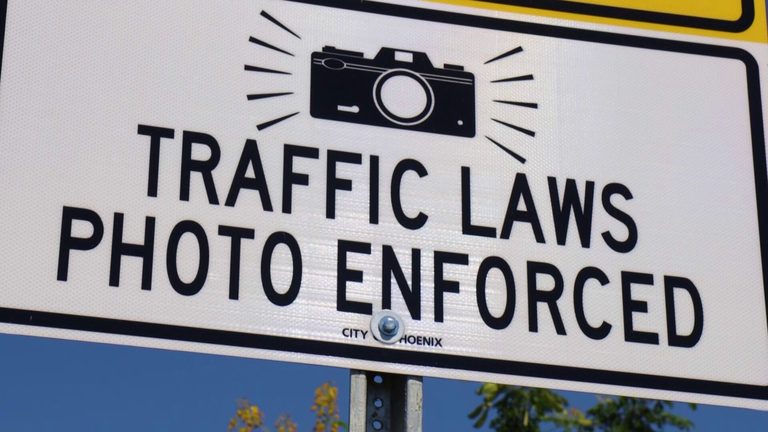
Arizona voters have spoken. In the November 2026 election, Proposition 319 – a statewide initiative to ban any new photo traffic enforcement programs – passed with a clear majority. Early returns showed about 84% of votes counted, and 61% of those voters supported the ban, leaving just under 40% opposed.
Legislative background and ballot placement
The measure reached the ballot after the Republican‑controlled Arizona Legislature placed eight statewide initiatives before voters. The move followed Governor Katie Hobbs’ veto of several bills the Legislature attempted to enact, prompting lawmakers to turn to the electorate for approval.
Local camera programs and community response
Both Phoenix and Tempe have operated photo traffic enforcement programs for several years. Tempe reinstated its speed and red‑light cameras in May 2025, and Mayor Corey Woods praised the technology, saying it has altered his own driving habits. “That yellow light means you should brake and slow down, not floor it,” Woods explained, noting a reduction in fatal crashes and collisions of more than 21% since the cameras were installed.
In Phoenix, City Councilwoman Debra Stark observed early indications that the cameras are influencing driver behavior. “Preliminary studies show people are starting to slow down, which gives me great hope,” she said.
Councilwoman Anna Hernandez also voiced support for the voters’ decision, emphasizing that the ban restores local control over surveillance tools. “Prop 319 passing is good for Phoenix residents and restores our power to check state surveillance,” Hernandez said.
What the ban means for existing programs
Proposition 319 does not dismantle the current camera systems in Phoenix or Tempe; those programs are grandfathered in and may continue operating. However, the initiative requires any future photo traffic enforcement measures to receive direct voter approval at the next election cycle.
Mayor Woods expressed uncertainty about the long‑term viability of the cameras beyond 2028, stating, “I’m not sure at this point,” reflecting the community’s ongoing debate over the balance between safety benefits and concerns about surveillance.
Broader context of the November ballot
While Proposition 319 secured voter approval, other high‑profile measures on the ballot – including an election‑process overhaul and a ban on diversity, equity and inclusion (DEI) policies – appeared to have failed, according to early counts of roughly 80% of votes.
The outcome underscores Arizona’s nuanced approach to governance: residents are willing to retain proven safety tools while demanding greater oversight and direct democratic input for future implementations.
What’s next?
State officials will now certify the election results and implement the provisions of Proposition 319. Local municipalities will need to adjust their planning processes to incorporate voter approval for any new photo traffic enforcement initiatives after 2028.
Community members who wish to stay informed about future ballot measures can monitor the Arizona Secretary of State’s website and attend local council meetings where implementation details will be discussed.
Original reporting: azfamily KTVK/KPHO Phoenix (news) — read the source article.